Glycemic Load Calculator
Calculate glycemic load (GL) for meals from food GI and carb portions—compare to personalized daily & per-meal targets, get lower-GL swaps, pairing tips, Indian food presets & PDF export.
Enter your details — results appear below after you calculate.
Health context & meal
Foods in this meal
GL = (GI × carb grams) ÷ 100. Select preset foods or enter custom GI and carbs. Add up to 8 items.
Meal pairing modifiers
Select what you are pairing with carbs—these improve pairing tips (they do not change the GL formula).
“For me” saves to My Metrics when you’re signed in. “For other” only shows results.
Science-backed methodology. Last reviewed July 2026.
Editorial policy →Source links for formulas and guidance are listed in Sources & Citations below.
How this Glycemic Load Calculator works
Select your health context (general wellness, diabetes, weight management, PCOS, heart health, or athletic), meal type, and add foods from 30+ presets (rice, roti, dal, idli, fruits, etc.) or enter custom glycemic index and carbohydrate grams. We apply GL = (GI × carbs) ÷ 100 per food and sum your meal total.
Results include per-food GL breakdown, daily and per-meal budgets, weighted average GI, lower-GL swaps, pairing tips (protein, fiber, fat, acid), sample lower-GL meals, and PDF export.
Scroll below for in-depth guides on GI vs GL, health-context targets, common food presets, strategies to lower glycemic load, related calculators, and limitations.
For related tools, try our Fiber Intake, Diabetes Risk, or Insulin Resistance calculators.
Glycemic Load Calculator – Meal GL, GI × Carbs & Blood Sugar Targets
Glycemic load (GL) measures how much a real portion of food raises blood sugar—combining glycemic index (GI) with the grams of carbohydrate you actually eat. A food can have a high GI but low GL in small portions (e.g., watermelon), or a moderate GI with high GL when portions are large (e.g., a full plate of white rice). Our Glycemic Load Calculator lets you build meals from 30+ Indian and international food presets or custom entries, calculates per-food and total GL, compares against personalized daily and per-meal budgets for diabetes, PCOS, weight management, and general wellness, and provides lower-GL swaps, pairing tips, and sample meals—with PDF export for dietitian or clinician visits.
What Is Glycemic Load?
Glycemic index ranks foods 0–100 by how fast 50 g of carbohydrate raises blood glucose compared to pure glucose. Glycemic load adjusts for portion size—the carbs you actually consume. The standard formula is:
GL = (GI × grams of available carbohydrate) ÷ 100
Classification per serving or meal: Low GL (<10), Medium GL (11–19), High GL (≥20). For a full day, many nutrition experts suggest keeping total GL roughly under 80–100 for general health and under 60–80 for diabetes or insulin resistance—though individual targets vary.
1What You Enter
Required inputs
- Health context (6 profiles)
- Meal type (breakfast, lunch, dinner, snack)
- At least one food with GI and carb grams
Optional context
- Preset foods (rice, roti, dal, fruits, etc.) or custom entries
- Serving multipliers (0.25–10×)
- Meal pairing modifiers (protein, fiber, fat, acid)
- Meals per day for daily budget distribution
2Formulas We Use
Per-food glycemic load
GL = (GI × carb grams in portion) ÷ 100
Example: White rice — GI 73, 45 g carbs (1 cup) → GL = (73 × 45) ÷ 100 = 32.9 (high).
Meal total glycemic load
Meal GL = Σ (GL of each food item)
Example: ½ cup basmati (GL ~13) + 1 cup dal (GL ~6) + salad (GL ~2) → total ~21 GL (medium-high; halving rice lowers further).
Weighted average GI
Avg GI = Σ(GI × carbs) ÷ Σ(carbs)
Useful for comparing meal quality independent of total carb amount.
3Health Context Targets
| Profile | Daily GL | Per-meal GL |
|---|---|---|
| General wellness | ≤120 (ideal ~80) | ≤40 (ideal ~25) |
| Prediabetes / diabetes | ≤80 (ideal ~60) | ≤25 (ideal ~15) |
| Weight management | ≤100 (ideal ~70) | ≤30 (ideal ~18) |
| PCOS / insulin resistance | ≤80 (ideal ~60) | ≤25 (ideal ~15) |
| Heart & metabolic health | ≤100 (ideal ~75) | ≤35 (ideal ~22) |
| Athletic / active | ≤150 (ideal ~100) | ≤50 (ideal ~35) |
4GI vs GL – Why Both Matter
Glycemic index alone can mislead: carrots and white bread may have similar GI in lab tests, but you rarely eat 50 g of carrot carbs in one sitting. Glycemic load reflects real plates—especially important for Indian meals where rice, roti, and dal combine. Pairing also matters: protein, fat, and fiber slow gastric emptying and blunt the glucose curve even when GL is moderate.
- High GI + small portion → may still be low GL (e.g., a few dates with nuts)
- Moderate GI + large portion → can be high GL (e.g., 2 cups white rice)
- Legumes & intact grains → typically lower GL per calorie
- Juice & refined flour → concentrated carbs, higher GL
5Indian Food Presets Included
Our preset database covers common Indian and global staples with evidence-based GI values and typical carb portions:
- White, brown & basmati rice
- Roti, paratha, millet roti
- Idli, dosa, poha, upma
- Dal, rajma, chickpeas
- Banana, apple, mango, dates
- Paneer, milk, curd
- Oats, quinoa, pasta
- Potato, sweet potato, corn
- Sugar/jaggery, white bread
6Strategies to Lower Glycemic Load
- Reduce starch portions — halving rice often cuts GL more than swapping GI alone
- Choose intact grains — millets, brown rice, steel-cut oats vs refined flour
- Anchor meals with legumes — dal and beans add protein and fiber with low GL
- Food order effect — vegetables and protein before starches
- Cool and reheat starches — increases resistant starch, lowering effective GL
- Post-meal movement — 10–15 minute walk improves glucose uptake
- Avoid liquid sugars — juice, sweet chai, and lassi spike without satiety
7Related Calculators
Glycemic load is one piece of metabolic health. Combine with:
- Fiber Intake Calculator — soluble fiber slows glucose absorption
- Diabetes Risk Calculator — broader prediabetes screening
- Insulin Resistance Calculator — HOMA-IR and metabolic context
- Macronutrient & Calorie Calculator — carb percentages and meal splits
- Chronotype & Meal Timing Calculator — when to eat carbs for your biology
- PCOS Risk Calculator — lower-GL patterns for hormonal balance
8Limitations & Disclaimer
GI and GL tables use population averages—your glucose response depends on genetics, sleep, stress, gut microbiome, medications, and activity. Ripeness, cooking time, and combinations change real-world impact. This calculator is for education only—not a substitute for continuous glucose monitoring, HbA1c testing, or personalized medical nutrition therapy. People on insulin or sulfonylureas should adjust carbs with clinician guidance to avoid hypoglycemia.
Related Tools on This Site
Pair glycemic load targets with our Fiber Intake Calculator, Diabetes Risk Calculator, Insulin Resistance Calculator, Macronutrient & Calorie Calculator, Chronotype & Meal Timing Calculator, and PCOS Risk Calculator for complete nutrition and metabolic context.
Frequently Asked Questions (FAQs)
Related Calculators
You might also be interested in these related health and wellness calculators:
Calorie Calculator
Estimate your daily calorie needs based on your age, gender, weight, height, and activity level to support weight loss, maintenance, or muscle gain goals.
Macronutrient & Calorie Calculator
Calculate your daily calorie needs and get a personalized macronutrient split (protein, carbs, fats) based on your body stats, activity level, and health goal. Perfect for fat loss, muscle gain, or maintenance.
Metabolic Syndrome Risk Calculator
Screen metabolic syndrome with all 5 harmonized criteria—waist, triglycerides, HDL, blood pressure and fasting glucose. Asian waist cutoffs, diet tips, exercise guidance and lab recommendations.
Insulin Resistance (HOMA-IR) Calculator
Calculate HOMA-IR from fasting glucose and fasting insulin to estimate insulin resistance. Get category, HOMA-β, and educational guidance for metabolic health.

Type 2 Diabetes Risk Assessment Calculator
Assess type 2 diabetes risk using the Indian Diabetes Risk Score (IDRS). Enter age, waist, family history, activity, and clinical history. Low to Very High risk with PDF export.
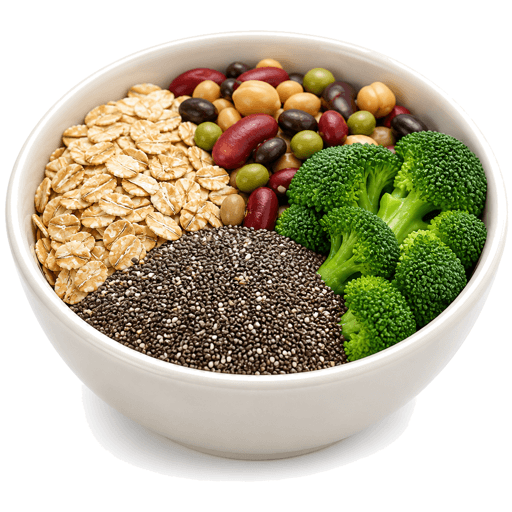
Fiber Intake Calculator
Calculate daily dietary fiber targets in grams from TDEE (BMR × activity)—IOM Adequate Intake, 14 g per 1,000 kcal, sample meal plan, hydration guide, soluble vs insoluble split, and PDF export.
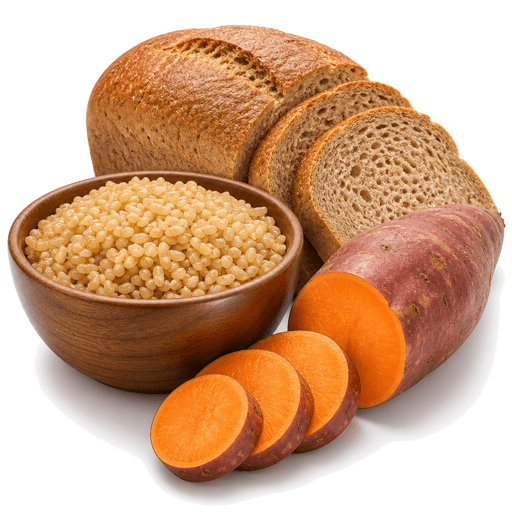
Carbohydrate Intake Calculator
Calculate daily carbohydrate targets in grams from TDEE—protein-priority macro split, training vs rest day cycling, complex vs simple guidance, meal distribution, Indian food examples & PDF export.
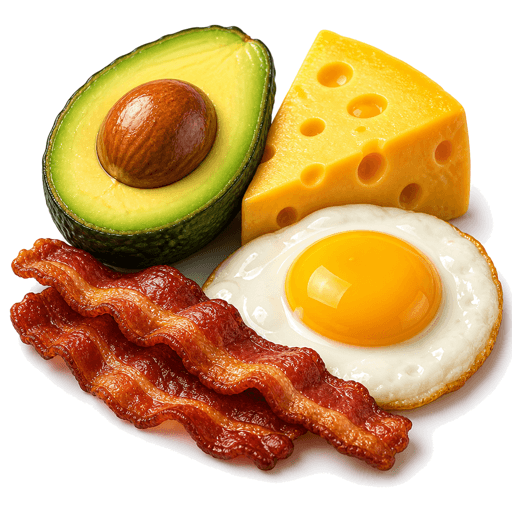
Ketogenic Diet Macro & Calorie Calculator
Calculate keto macros—daily calories, fat, protein, and net carbs for Standard, Targeted, or Cyclical ketogenic diets. TDEE-based with macro pie chart, meal timing, and PDF export.
Calculator Categories
Explore more free tools by health topic. Your calculator's category is highlighted below.
Nutrition & Metabolism
31 calculators
Browse categoryBody Composition
16 calculators
Browse categoryFitness & Cardio
13 calculators
Browse categorySleep & Circadian Health
6 calculators
Browse categoryAging & Longevity
6 calculators
Browse categoryHeart & Metabolic Health
23 calculators
Browse categoryMental Wellbeing
4 calculators
Browse categoryWomen's Health
10 calculators
Browse categoryEnvironment & Lifestyle
6 calculators
Browse category