Type 2 Diabetes Risk Assessment Calculator
Estimate your type 2 diabetes risk using the Indian Diabetes Risk Score (IDRS)—validated for South Asian populations. Enter age, waist, family history, activity, and clinical history in metric or imperial units. Educational screening only—not a diagnosis.
Enter your details — results appear below after you calculate.
User information
Measure at the narrowest point between lower rib and hip bone. IDRS scoring uses cm internally (≥90 cm men / ≥80 cm women).
Risk factors & history
“For me” saves to My Metrics when you’re signed in. “For other” only shows results.
Clinically reviewed methodology. Last reviewed July 2026.
Editorial policy →How this Type 2 Diabetes Risk Assessment calculator works
Enter age and select sex and units (metric or imperial), then weight and height—we auto-calculate BMI. Add waist circumference, family history of diabetes (parent or sibling), physical activity level (Active / Moderate / Sedentary), and clinical history: high blood pressure, high blood glucose, and for women gestational diabetes. We apply the IDRS diabetes risk score—validated for South Asian populations.
IDRS scoring: age (<35 → 0, 35–49 → +20, ≥50 → +30), abdominal obesity (waist ≥90 cm men / ≥80 cm women → +10), family history (+20), and activity (active → 0, moderate → +10, sedentary → +20). Maximum score is 80. Categories: Low (<30), Moderate (30–49), High (50–59), Very High (≥60). You also receive an estimated risk percentage, top contributing factors, lifestyle recommendations, and a medical note.
For related screening, try our Insulin Resistance (HOMA-IR) Calculator, Visceral Fat Risk Calculator, and BMI Calculator. Consult a doctor if High or Very High.
Type 2 Diabetes Risk Assessment Calculator – Indian Diabetes Risk Score (IDRS)
Every day, millions search “diabetes risk calculator”, “am I at risk for diabetes?”, or “pre-diabetes test India”—looking for a quick way to know whether formal glucose testing is worth discussing with a doctor. Type 2 diabetes often develops silently for years in India and across South Asia, driven by central adiposity, sedentary lifestyles, refined diets, and strong family history. Our free Type 2 Diabetes Risk Assessment Calculator applies the Indian Diabetes Risk Score (IDRS)—validated for South Asian populations—alongside auto-calculated BMI, clinical history, and lifestyle inputs. You receive an IDRS score (0–80), risk category (Low, Moderate, High, Very High), estimated risk percentage, top contributing factors, lifestyle recommendations, PDF export, and a medical note when screening is urgent.
IDRS uses four core components—age, waist circumference, family history, and physical activity—because these predict who should undergo oral glucose tolerance testing (OGTT) or fasting glucose screening in Indian validation studies. Pair results with our Insulin Resistance (HOMA-IR) Calculator, Visceral Fat Risk Calculator, and Body Mass Index (BMI) Calculator for a fuller metabolic health picture.
What Is Type 2 Diabetes Risk?
Type 2 diabetes occurs when the body becomes resistant to insulin and/or the pancreas cannot produce enough insulin to maintain normal blood glucose. Risk accumulates through genetics, age, abdominal fat, inactivity, high blood pressure, prediabetes, and pregnancy-related glucose changes. Unlike type 1 diabetes, type 2 is largely preventable or delayable with lifestyle change and early screening—making tools like IDRS valuable for identifying who should undergo formal glucose testing.
India has among the world's largest diabetic populations. Western risk tools often underestimate risk in South Asians because people develop diabetes at lower BMI and younger ages. IDRS was developed by Mohan et al. using Indian cohort data with waist cutoffs (≥90 cm men, ≥80 cm women) appropriate for this population. Scores ≥60 strongly suggest the need for OGTT or fasting plasma glucose screening in the original validation work.
1What You Enter
Demographics & body
- Age (18–100 years)
- Gender: male or female (Pill toggle)
- Units: metric (kg, cm) or imperial (lb, ft/in, waist in inches)
- Weight & height — BMI auto-calculated
- Waist circumference (IDRS abdominal obesity component)
Family & lifestyle
- Family history of diabetes (parent or sibling) — yes / no
- Physical activity — Active / Moderate / Sedentary
Clinical history
- History of high blood pressure — yes / no
- History of high blood glucose / prediabetes — yes / no
- History of gestational diabetes (women) — yes / no
Measurement tips
- Waist: narrowest point between lower rib and hip bone, standing, after normal exhale
- Height: standing straight without shoes
- Weight: light clothing, same time of day when possible
- Imperial waist is converted to cm internally for IDRS scoring
2Formula: Indian Diabetes Risk Score (IDRS)
IDRS components (max 80 points)
- Age: <35 → 0 · 35–49 → +20 · ≥50 → +30
- Abdominal obesity (waist): Men ≥90 cm or Women ≥80 cm → +10 · else 0
- Family history: Diabetes in parent or sibling → +20 · No → 0
- Physical activity: Active (regular) → 0 · Moderate → +10 · Sedentary → +20
Classic IDRS uses binary activity (regular vs not). Our three-level mapping is an educational extension for finer self-screening.
BMI (auto-calculated)
BMI = weight (kg) ÷ height (m)²
BMI appears in your results for context and South Asian screening (elevated metabolic risk often starts at BMI ≥23). IDRS scoring uses waist—not BMI—for abdominal obesity.
Risk categories (IDRS total)
- 0 – 29 → Low diabetes risk
- 30 – 49 → Moderate diabetes risk
- 50 – 59 → High diabetes risk
- ≥60 → Very high — OGTT / fasting glucose screening recommended
Risk percentage (educational)
An illustrative estimated percentage is derived from your IDRS band plus modifiers for high blood glucose, high blood pressure, gestational diabetes, and BMI tier. It helps contextualize results—it is not a calibrated epidemiological probability.
Clinical history modifiers
History of high blood pressure, prediabetes/high glucose, and gestational diabetes are not part of the original four-component IDRS but are clinically important. They appear in top contributing risk factors, adjust the illustrative risk percentage, and inform lifestyle recommendations.
3What Your Results Include
- IDRS score (0–80) – Indian Diabetes Risk Score total
- Risk level – Low, Moderate, High, or Very High
- Risk percentage – Educational estimate with clinical modifiers
- BMI & category – Auto-calculated from weight and height
- IDRS score breakdown – Points per component (age, waist, family, activity)
- Score component details – Plain-language explanation of each factor
- Top contributing risk factors – Ranked screening flags
- Lifestyle recommendations – Nutrition, activity, screening guidance
- Medical note – Consult a doctor if High or Very High
- PDF export and share – For doctor or health-coach visits
4How to Measure Waist for IDRS
Waist circumference is the IDRS abdominal obesity measure—not BMI. Correct technique improves accuracy:
- Stand relaxed; measure at the narrowest point between rib and hip
- Use a flexible tape parallel to the floor; do not compress skin
- Measure at end of a normal exhale (not sucked in, not bloated)
- IDRS thresholds: ≥90 cm (35 in) men · ≥80 cm (31 in) women
| Gender | IDRS cutoff | IDRS points |
|---|---|---|
| Men | Waist ≥ 90 cm | +10 |
| Women | Waist ≥ 80 cm | +10 |
| Either | Below threshold | 0 |
Sample IDRS Calculations
Example A – Low risk (score 10)
Woman, 32 years, waist 76 cm, no family history, active lifestyle. Age <35 (0) + waist <80 (0) + no family (0) + active (0) = 0. With moderate activity instead: +10 = 10/80 → Low risk.
Example B – Moderate (score 40)
Man, 42 years, waist 88 cm, family history yes, sedentary. Age 35–49 (+20) + waist <90 (0) + family (+20) + sedentary (+20) = 60/80 — actually Very High. Drop sedentary to moderate (+10): 50/80 High. With waist 92 cm (+10): moderate band example 40/80 if family (+20) + age (+20) only.
Example C – Very high (score 70)
Woman, 55 years, waist 86 cm, family yes, sedentary. Age ≥50 (+30) + waist ≥80 (+10) + family (+20) + sedentary (+20) = 80/80 → Very High. OGTT or fasting glucose screening strongly recommended per IDRS validation.
Example D – Clinical history adds context
Same woman (Example C) also reports prediabetes and gestational diabetes history. IDRS stays 80/80, but risk percentage and contributing factors flag glucose history—urgent medical follow-up even beyond score alone.
Factors That Increase Type 2 Diabetes Risk
The table below summarizes major contributors recognized in Indian and international diabetes prevention guidelines.
| Factor | Why it matters | Practical approaches |
|---|---|---|
| Central obesity (waist) | Visceral fat drives insulin resistance—key IDRS component | Measure waist; target loss via diet, activity, sleep |
| Family history | Strong genetic and shared lifestyle component (+20 IDRS points) | Earlier and regular glucose screening if positive |
| Age ≥35 | Beta-cell function and insulin sensitivity decline with age | Periodic HbA1c or fasting glucose from midlife |
| Sedentary lifestyle | Low activity worsens glucose uptake (+20 IDRS if sedentary) | 150+ min/week moderate activity; break up sitting |
| Prediabetes / high glucose | Strongest predictor of progression to type 2 diabetes | Lifestyle intervention; medical follow-up; retest annually |
| High blood pressure | Often clusters with insulin resistance and diabetes | Salt reduction, activity, weight loss, prescribed meds |
| Gestational diabetes | Major lifetime T2D risk in women after pregnancy | Postpartum OGTT; long-term glucose monitoring |
Understanding Your IDRS Results
Low risk
IDRS 0–29. Few screening flags. Maintain prevention habits; recheck annually or if symptoms appear.
Moderate
IDRS 30–49. Several modifiable factors. Consider fasting glucose or HbA1c with your clinician.
High
IDRS 50–59. Medical follow-up recommended. Discuss OGTT or fasting glucose screening.
Very high
IDRS ≥60. Strong screening pattern. Consult a doctor promptly for formal testing.
Prediabetes & Diabetes Screening Tests (Reference)
IDRS identifies who may need these tests—it does not replace them. Discuss thresholds with your clinician.
| Test | What it measures | Typical screening use |
|---|---|---|
| Fasting plasma glucose (FPG) | Blood sugar after 8+ hours fasting | First-line screening; widely available in India |
| HbA1c | Average glucose over ~3 months | No fasting required; good for monitoring |
| Oral glucose tolerance test (OGTT) | Glucose before and 2 h after glucose drink | Recommended when IDRS ≥60 in validation studies |
| Random plasma glucose | Glucose at any time of day | Useful when symptoms present; confirm with repeat testing |
Lifestyle Recommendations to Lower Diabetes Risk
Nutrition
- Choose whole grains (millets, brown rice, oats) over refined flour
- Increase vegetables, legumes, and lean protein
- Limit sugary drinks, sweets, and deep-fried snacks
- Control portion sizes—especially if waist or BMI is elevated
Activity
- 150+ minutes/week moderate activity (brisk walking counts)
- Add resistance training 2–3×/week for insulin sensitivity
- Break up prolonged sitting every 30–60 minutes
- IDRS assigns zero activity points only for regular movement
Screening
- IDRS ≥60: discuss OGTT or fasting glucose with your doctor
- Know symptoms: thirst, frequent urination, fatigue, blurred vision
- Recheck risk factors annually or when lifestyle changes
Weight & waist
- Even 5–7% weight loss can improve glucose tolerance
- Target waist below 90 cm (men) or 80 cm (women) when feasible
- Pair with our BMI and Visceral Fat calculators for context
Lifestyle Focus by Screening Level
Maintenance (low IDRS risk)
- Balanced Indian diet with whole grains and legumes
- 150+ min/week walking or equivalent activity
- Annual glucose check if family history or age ≥35
- Maintain waist below sex-specific IDRS thresholds
- Adequate sleep (7–8 hours) and stress management
Active prevention (moderate–very high)
- Book fasting glucose, HbA1c, or OGTT with your clinician
- Structured weight-loss plan if waist or BMI elevated
- Daily movement after meals to blunt glucose spikes
- Monitor blood pressure; treat if prescribed
- Women with GDM history: long-term glucose surveillance
How to Use This Diabetes Risk Calculator
- Choose units – Metric (kg, cm) or imperial (lb, ft/in, waist in inches).
- Select gender – Waist thresholds and GDM question differ for men and women.
- Measure waist accurately – Standing, tape level, normal exhale.
- Answer history honestly – Family diabetes, activity, BP, glucose, and GDM materially affect guidance.
- Calculate – Review IDRS score, breakdown, risk level, factors, and recommendations.
- Export or share – Save PDF for your next doctor visit.
- Follow up medically – Especially if High, Very High, or prediabetes history reported.
Prevention Strategies (Overview)
Immediate actions (this week)
- Measure and log waist circumference
- Add a 15-minute walk after largest meal
- Replace one sugary drink with water or unsweetened tea
- Schedule a check-up if IDRS ≥60 or symptoms present
- List family diabetes history for your clinician
Long-term habits (1–3 months+)
- Target 5–7% weight loss if overweight (when clinically appropriate)
- Build consistent exercise routine with resistance training
- Favor low-glycemic Indian meals (millets, dal, vegetables)
- Repeat glucose tests per doctor's schedule
- Recalculate IDRS after major lifestyle changes
Common Mistakes When Self-Screening
1. Measuring waist at the wrong spot
Belly-button or hip measurements can misclassify IDRS waist points. Use the narrowest trunk point between rib and iliac crest.
2. Treating IDRS as a diagnosis
A high score means screening is recommended—it does not confirm diabetes. Only blood tests (FPG, HbA1c, OGTT) can diagnose.
3. Ignoring prediabetes history
Past high glucose is one of the strongest progression predictors—even if current IDRS components look moderate.
4. Using BMI instead of waist for IDRS
You can have normal BMI but elevated waist (thin-outside-fat-inside). IDRS scores abdominal obesity from waist, not BMI.
5. Confusing risk percentage with IDRS score
IDRS is always out of 80. The risk percentage is a separate educational estimate—do not read it as “7 out of 47” or similar.
The Science Behind IDRS
The Indian Diabetes Risk Score was developed by V. Mohan and colleagues using data from the Chennai Urban Rural Epidemiology Study (CURES) and related Indian cohorts. It was designed because Western diabetes risk tools underperform in South Asian populations where diabetes occurs at lower BMI, younger ages, and higher waist-to-hip ratios. IDRS intentionally uses simple, low-cost inputs—age, waist, family history, and activity—so it can be applied in primary care and community screening across India.
Validation studies showed that individuals with IDRS ≥60 had substantially higher rates of undetected diabetes on OGTT, making this threshold a practical trigger for formal glucose testing. Modern prevention also emphasizes HbA1c, fasting glucose, blood pressure, lipids, and lifestyle intervention for prediabetes—IDRS is a first-step triage tool, not the final word.
When IDRS May Mislead
- Already diagnosed diabetes – IDRS screens for undetected risk; confirmed diabetes needs treatment monitoring, not IDRS retesting alone.
- Type 1 or LADA – IDRS targets type 2 patterns; sudden onset in lean youth needs different evaluation.
- Pregnancy – Gestational diabetes screening uses obstetric protocols, not IDRS.
- Medications affecting weight/waist – Steroids, some antipsychotics, and insulin can change body shape independently of classic risk trajectory.
- Highly muscular individuals – Large waist from muscle differs from visceral fat; clinical context matters.
- Recent major weight change – Recalculate after stable weight for several weeks.
Related Tools on This Site
Build a fuller metabolic picture with our Insulin Resistance (HOMA-IR) Calculator, Visceral Fat Risk Calculator, Body Mass Index (BMI) Calculator, Waist-to-Height Ratio (WHtR) Calculator, Cardiovascular Risk Calculator, and PCOS Risk Calculator.
Frequently Asked Questions (FAQs)
Related Calculators
You might also be interested in these related health and wellness calculators:
Fatty Liver Risk Calculator
Assess NAFLD/MASLD fatty liver risk from BMI, waist, diabetes, diet, alcohol and lifestyle. Get weight-loss targets, diet tips, exercise guidance, and liver test recommendations.
Metabolic Syndrome Risk Calculator
Screen metabolic syndrome with all 5 harmonized criteria—waist, triglycerides, HDL, blood pressure and fasting glucose. Asian waist cutoffs, diet tips, exercise guidance and lab recommendations.
Insulin Resistance (HOMA-IR) Calculator
Calculate HOMA-IR from fasting glucose and fasting insulin to estimate insulin resistance. Get category, HOMA-β, and educational guidance for metabolic health.
HbA1c ↔ Average Blood Glucose Calculator
Convert HbA1c (%) to estimated average glucose (eAG) and back using the ADAG formula. ADA category bands, mg/dL and mmol/L units, PDF export.
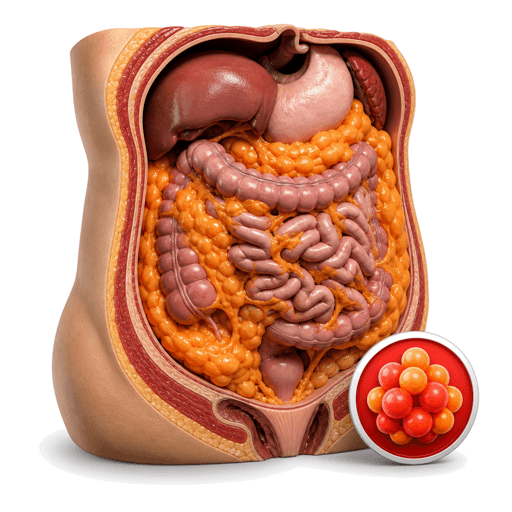
Visceral Fat Risk Calculator
Estimate visceral (abdominal) fat risk using waist-to-height ratio, waist circumference, BMI, and lifestyle. Get WHtR bands, health score, and metabolic guidance.
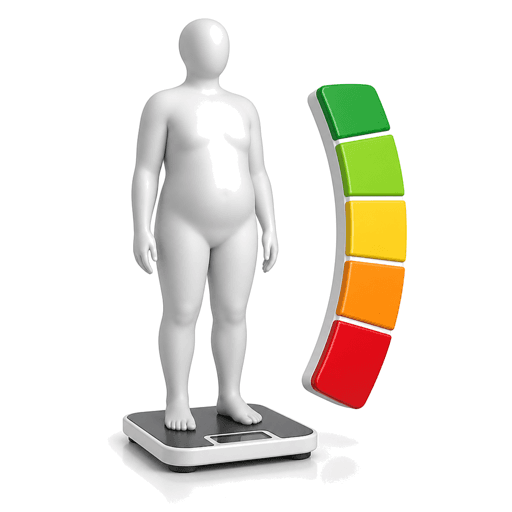
Body Mass Index (BMI) Calculator
Calculate your Body Mass Index (BMI) from height and weight in metric or imperial units. Get WHO categories, healthy weight range, BMI Prime, and PDF export.
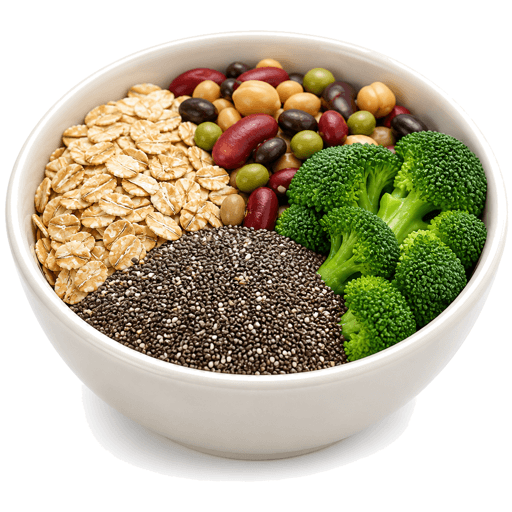
Fiber Intake Calculator
Calculate daily dietary fiber targets in grams from TDEE (BMR × activity)—IOM Adequate Intake, 14 g per 1,000 kcal, sample meal plan, hydration guide, soluble vs insoluble split, and PDF export.
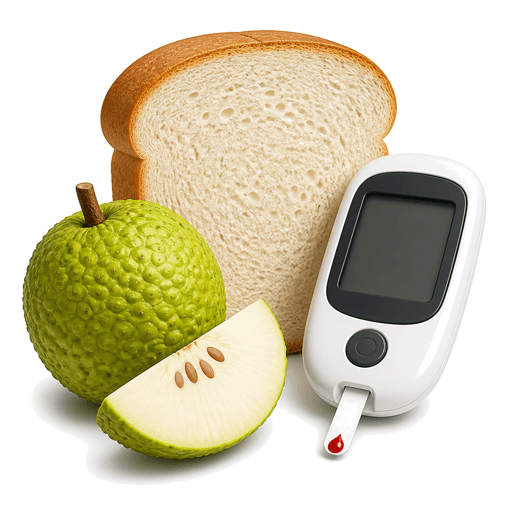
Glycemic Load Calculator
Calculate meal glycemic load from GI and carb portions—compare to diabetes & weight-loss targets, 30+ Indian food presets, lower-GL swaps, pairing tips, and PDF export.
Calculator Categories
Explore more free tools by health topic. Your calculator's category is highlighted below.
Heart & Metabolic Health
23 calculators
Browse categoryNutrition & Metabolism
31 calculators
Browse categoryBody Composition
16 calculators
Browse categoryFitness & Cardio
13 calculators
Browse categorySleep & Circadian Health
6 calculators
Browse categoryAging & Longevity
6 calculators
Browse categoryMental Wellbeing
4 calculators
Browse categoryWomen's Health
10 calculators
Browse categoryEnvironment & Lifestyle
6 calculators
Browse category