Daily Calorie Calculator
Estimate your daily calorie target for weight loss, maintenance, or muscle gain—including Indian diet patterns, women over 40, and desk-job lifestyles.
Enter your details — results appear below after you calculate.
User information
Body measurements
Age & activity level
“For me” saves to My Metrics when you’re signed in. “For other” only shows results.
Science-backed methodology. Last reviewed July 2026.
Editorial policy →Source links for formulas and guidance are listed in Sources & Citations below.
How this daily calorie calculator works
Enter your sex, age, weight, height, and activity level, then choose a goal—weight loss, maintenance, or muscle gain. We estimate your daily calorie target using the Mifflin-St Jeor equation for resting burn and standard activity multipliers for total daily needs.
This page is built for practical planning—including everyday meal patterns, women over 40, desk jobs, and beginners—not just generic head terms. For resting burn only, use our BMR Calculator; for maintenance calories, use our TDEE Calculator.
Results are educational estimates. Adjust based on 2–3 weeks of weight trends, and pair with our Macronutrient & Calorie Calculator for gram-level meal planning.
Daily Calorie Calculator for Weight Loss, Indian Diet & Your Goals
Knowing how many calories to eat each day helps you lose weight, maintain your current weight, or build muscle with a clear plan. This tool focuses on practical targets—including Indian meals, women over 40, sedentary office work, and beginners—so you get guidance you can actually apply.
Our daily calorie calculator uses the scientifically validated Mifflin-St Jeor Equation to estimate resting calorie burn, then adjusts for your activity level to set a personalized daily calorie target for your chosen goal.
By combining these factors, the calculator provides a personalized estimate of your daily calorie needs. This allows you to create a structured plan—such as maintaining your weight, creating a calorie deficit for fat loss, or increasing your intake for muscle growth—based on your individual goals.
While this tool is based on widely accepted scientific formulas, results may vary depending on factors such as metabolism, lifestyle, and health conditions. Use this calculator as a practical guideline and adjust your calorie intake based on your progress over time.
What is BMR (Basal Metabolic Rate)?
Basal Metabolic Rate (BMR) represents the number of calories your body needs to perform essential life-sustaining functions at rest, such as breathing, blood circulation, temperature regulation, and cell production. In simple terms, it is the minimum amount of energy your body requires to stay alive without any physical activity.
Understanding your BMR is important because it forms the foundation of your total daily calorie needs. If your calorie intake consistently falls below your BMR, it may negatively affect your metabolism and energy levels. On the other hand, consuming significantly more than your body requires can lead to weight gain over time.
1BMR Formula (Mifflin-St Jeor Equation)
The Mifflin-St Jeor Equation is widely regarded as one of the most accurate methods for estimating BMR in healthy individuals.
For Males:
\( BMR = (10 \times \text{weight in kg}) + (6.25 \times \text{height in cm}) - (5 \times \text{age}) + 5 \)
For Females:
\( BMR = (10 \times \text{weight in kg}) + (6.25 \times \text{height in cm}) - (5 \times \text{age}) - 161 \)
2BMR in US Units
For users more familiar with US units, the following equations provide an alternative way to estimate BMR:
For Males:
\( BMR = 66 + (6.23 \times \text{weight in lbs}) + (12.7 \times \text{height in inches}) - (6.8 \times \text{age}) \)
For Females:
\( BMR = 655 + (4.35 \times \text{weight in lbs}) + (4.7 \times \text{height in inches}) - (4.7 \times \text{age}) \)
What is TDEE (Total Daily Energy Expenditure)?
Total Daily Energy Expenditure (TDEE) represents the total number of calories your body burns in a day, including both your BMR and the calories burned through physical activity, digestion, and daily movements. It provides a more realistic estimate of how many calories you need to maintain your current weight.
Your activity level plays a key role in determining TDEE. Even small increases in daily movement—such as walking, exercising, or standing more—can significantly impact your total energy expenditure over time.
TDEE Calculation Based on Activity Levels
TDEE is calculated by multiplying your BMR by an activity factor:
| Activity Level | Multiplier | Description |
|---|---|---|
| Sedentary | 1.2 | Minimal movement, desk job |
| Lightly Active | 1.375 | Light exercise 1–3 days/week |
| Moderately Active | 1.55 | Moderate workouts |
| Very Active | 1.725 | Intense training |
| Super Active | 1.9 | Athletes or physically demanding jobs |
Why Use a Calorie Calculator?
A calorie calculator helps you understand how much energy your body needs each day based on your personal data. Instead of relying on general diet advice, you get a more accurate estimate tailored to your body composition, activity level, and goals. This makes it easier to plan your nutrition in a structured and effective way.
- Personalized Results: Get calorie recommendations based on your age, weight, height, and activity level rather than generic estimates.
- Effective Weight Management: Easily adjust your calorie intake to support fat loss, muscle gain, or weight maintenance.
- Supports Fitness Goals: Helps you align your diet with your specific goal, whether it’s improving performance, building muscle, or reducing body fat.
- Flexible and Easy to Use: Choose between metric and US units and get instant results without manual calculations.
- Better Decision Making: Understand your body’s energy needs so you can make smarter dietary and lifestyle choices.
How to Use the Calorie Calculator?
Using the calorie calculator is simple, but entering accurate information is essential for getting reliable results. Follow these steps to calculate your daily calorie needs effectively:
- Select Measurement Units: Choose between metric (kg, cm) or US (lbs, inches) based on your preference.
- Enter Your Details: Provide your age, sex, height, weight, and activity level as accurately as possible.
- Calculate Your Results: Click the calculate button to instantly get your BMR, TDEE, and estimated daily calorie needs.
- Apply Your Goal: Use your results to create a calorie plan for weight loss, maintenance, or muscle gain.
How to Use Your Calorie Results for Weight Management?
Once you know your Total Daily Energy Expenditure (TDEE), you can adjust your calorie intake based on your goal. The key is to make gradual and sustainable changes rather than extreme reductions or increases.
- For Weight Loss: Reduce your daily intake by 250–500 kcal below your TDEE to promote steady and sustainable fat loss.
- For Maintenance: Consume calories close to your TDEE to maintain your current weight.
- For Muscle Gain: Increase your intake by 250–500 kcal above your TDEE to support muscle growth.
Example:
If your TDEE is 2,000 kcal per day:
- Weight Loss: 1,500–1,750 kcal/day
- Maintenance: ~2,000 kcal/day
- Muscle Gain: 2,250–2,500 kcal/day
Note: Individual results may vary depending on metabolism, consistency, and lifestyle habits.
Factors Affecting Caloric Needs
Several biological and lifestyle factors influence how many calories your body needs each day. Understanding these can help you interpret your results more accurately and make better adjustments over time.
- Age: Metabolism tends to slow down with age, reducing daily calorie requirements.
- Gender: Males generally have higher BMR due to greater muscle mass compared to females.
- Body Composition: Muscle burns more calories than fat, so individuals with higher muscle mass require more energy.
- Activity Level: The more physically active you are, the higher your total calorie needs.
- Metabolism: Some individuals naturally burn calories faster due to genetic and hormonal factors.
- Health Conditions: Certain medical conditions and medications can influence energy expenditure.
Understanding Macronutrients and Calorie Distribution
The Role of Macronutrients in Your Daily Calorie Intake
Once you know your daily calorie needs, it's crucial to understand how to distribute these calories among the three main macronutrients: proteins, carbohydrates, and fats. Each macronutrient serves unique functions in your body and contributes differently to your overall health and fitness goals.
Protein (4 cal/g)
Recommended: 20-35% of total calories
- Builds and repairs muscle tissue
- Supports immune function
- Helps maintain satiety
- Sources: Lean meats, fish, eggs, legumes
Carbohydrates (4 cal/g)
Recommended: 45-65% of total calories
- Primary energy source for brain and muscles
- Supports high-intensity exercise
- Provides fiber for digestive health
- Sources: Whole grains, fruits, vegetables
Fats (9 cal/g)
Recommended: 20-35% of total calories
- Supports hormone production
- Aids vitamin absorption
- Provides sustained energy
- Sources: Nuts, oils, avocados, fatty fish
Tip: The ideal macronutrient ratio can vary depending on your goal. For example, individuals focused on muscle gain may benefit from higher protein intake, while endurance athletes often require a greater proportion of carbohydrates for sustained energy.
Common Calorie Calculation Mistakes to Avoid
1. Overestimating Activity Level
Many people overestimate their activity level, leading to consuming too many calories. Be honest about your actual daily movement and exercise frequency.
2. Not Accounting for Metabolic Adaptation
Your metabolism can slow down during prolonged calorie restriction. Regularly reassess your calorie needs every 4-6 weeks, especially during weight loss phases.
3. Ignoring Liquid Calories
Beverages like sodas, juices, and alcohol can add significant calories to your daily intake. Always account for these when tracking your consumption.
These are some of the most common reasons why people fail to see results even when tracking calories consistently.
Sample Meal Plans Based on Calorie Goals
Here are example meal plans for different calorie targets to help you visualize how to structure your daily nutrition:
1,500 Calorie Meal Plan (Weight Loss)
Breakfast (350 cal)
1 cup oatmeal with berries and 1 tbsp almond butter
Lunch (400 cal)
Grilled chicken salad with mixed vegetables and olive oil dressing
Snack (150 cal)
Greek yogurt with a small handful of nuts
Dinner (450 cal)
Baked salmon with quinoa and steamed broccoli
Evening Snack (150 cal)
Apple with 1 tbsp peanut butter
2,200 Calorie Meal Plan (Maintenance)
Breakfast (500 cal)
2 eggs, 2 slices whole grain toast, avocado, and orange juice
Lunch (550 cal)
Turkey and cheese sandwich with side salad and fruit
Snack (200 cal)
Trail mix with dried fruits and nuts
Dinner (650 cal)
Grilled steak with sweet potato and green beans
Evening Snack (300 cal)
Protein smoothie with banana and berries
Note: These meal plans are general examples and may need adjustment based on individual dietary preferences, allergies, or medical conditions.
The Science Behind Calorie Calculation Methods
Comparison of Different BMR Calculation Methods
While we use the Mifflin-St Jeor equation for its accuracy, several other methods exist for calculating BMR. Here's how they compare:
| Method | Accuracy | Best For | Year Developed |
|---|---|---|---|
| Mifflin-St Jeor | Most Accurate | General population | 1990 |
| Harris-Benedict (Revised) | Good | Athletes | 1984 |
| Katch-McArdle | Very Good | Known body fat % | 1996 |
| Harris-Benedict (Original) | Less Accurate | Historical reference | 1919 |
Special Considerations for Different Populations
Athletes and Highly Active Individuals
- May need 500-1000+ additional calories above TDEE
- Require more frequent recalculation due to training variations
- Should consider nutrient timing around workouts
- May benefit from periodized nutrition approaches
Older Adults (65+)
- Natural decrease in muscle mass affects BMR
- May need higher protein intake (1.2-1.6g/kg body weight)
- Should focus on nutrient-dense foods
- Regular resistance training helps maintain metabolism
Individuals with Medical Conditions
- Thyroid disorders can significantly affect metabolism
- Diabetes may require specialized calorie distribution
- Always consult healthcare providers for personalized advice
- Medications can influence appetite and metabolism
Pregnant and Breastfeeding Women
- Standard calculators may not apply
- Additional 300-500 calories needed during pregnancy
- Breastfeeding requires 500+ additional calories
- Professional guidance is essential
Technology and Calorie Tracking
Modern Tools for Calorie Management
Technology has revolutionized how we track and manage our caloric intake. From smartphone apps to wearable devices, here are the tools that can help you stay on track with your nutrition goals:
Food Tracking Apps
Comprehensive databases with barcode scanning, recipe analysis, and macro tracking capabilities for precise calorie monitoring.
Fitness Wearables
Heart rate monitors and activity trackers that provide real-time calorie burn estimates based on your actual activity levels.
Smart Scales
Body composition analyzers that help track changes in muscle mass and fat percentage, affecting your metabolic rate.
Online Calculators
Websites like ours that provide instant, accurate calculations using proven scientific formulas for BMR and TDEE.
In practice, many people find that combining a calorie calculator with simple food tracking habits leads to more consistent and sustainable results than strict dieting alone.
Tips for Long-term Success
1. Consistency Over Perfection
Focus on maintaining consistent eating patterns rather than perfect daily tracking. Small, sustainable changes lead to lasting results.
2. Regular Reassessment
Recalculate your calorie needs every 4-6 weeks or after significant weight changes to ensure your targets remain accurate.
3. Listen to Your Body
Pay attention to hunger cues, energy levels, and overall well-being. Adjust your calorie intake based on how you feel, not just calculations.
Frequently Asked Questions (FAQs)
Related Calculators
You might also be interested in these related health and wellness calculators:

Macronutrient & Calorie Calculator
Calculate your daily calorie needs and get a personalized macronutrient split (protein, carbs, fats) based on your body stats, activity level, and health goal. Perfect for fat loss, muscle gain, or maintenance.
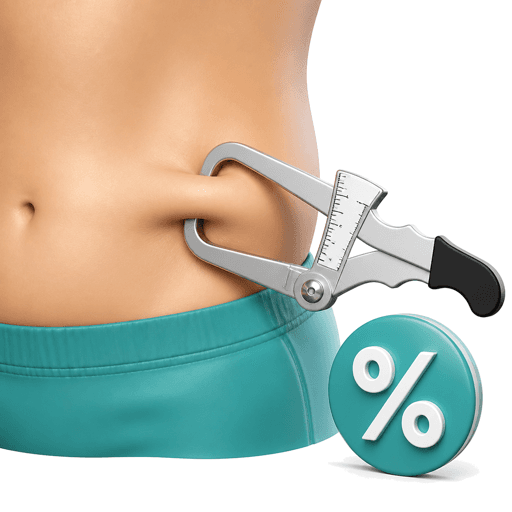
Body Fat Percentage Calculator
Calculate your body fat to understand your fitness level and monitor changes over time more accurately than just weighing yourself.
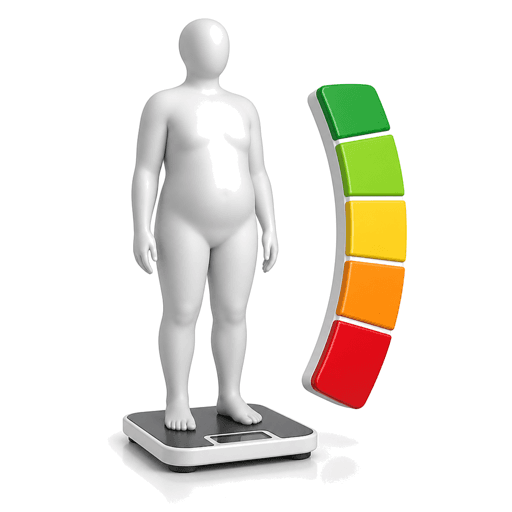
Body Mass Index (BMI) Calculator
Calculate your Body Mass Index (BMI) from height and weight in metric or imperial units. Get WHO categories, healthy weight range, BMI Prime, and PDF export.
Protein Target Calculator
Calculate daily protein targets in grams from body weight, goal, and training—with GLP-1 muscle-preservation (1.6–2.2 g/kg), adjusted weight above 100 kg, sedentary 0.8–1.2 g/kg, and per-meal splits.
Postpartum Calorie & Nutrition Calculator
Estimate postpartum daily calories with breastfeeding add-ons, macro targets, iron/DHA priorities, hydration goals, sample meals, and PDF export.
Basal Metabolic Rate (BMR) Calculator
Estimate your basal metabolic rate (BMR)—resting calorie burn—from your body stats. Optional body fat % for a personalized estimate. See activity-based daily calorie estimates.
Total Daily Energy Expenditure (TDEE) Calculator
Calculate your Total Daily Energy Expenditure (TDEE) and BMR using a validated metabolic formula. Select your goal (lose weight, maintain, gain muscle) for ±500 kcal targets and macro split suggestions.
Calorie Deficit & Weight Loss Calculator
Calculate your daily calorie target for weight loss from body stats, activity, goal weight, and timeline. See TDEE, required deficit, estimated weeks to goal, and safety warnings.
Calculator Categories
Explore more free tools by health topic. Your calculator's category is highlighted below.
Nutrition & Metabolism
31 calculators
Browse categoryBody Composition
16 calculators
Browse categoryFitness & Cardio
13 calculators
Browse categorySleep & Circadian Health
6 calculators
Browse categoryAging & Longevity
6 calculators
Browse categoryHeart & Metabolic Health
23 calculators
Browse categoryMental Wellbeing
4 calculators
Browse categoryWomen's Health
10 calculators
Browse categoryEnvironment & Lifestyle
6 calculators
Browse category