Macronutrient & Calorie Split Calculator
Get personalized protein, fat, and carb targets based on your fitness goals and lifestyle — with calorie split guidance and practical planning tips.
Enter your details — results appear below after you calculate.
Basic information
Activity & goals
Macronutrient preferences
“For me” saves to My Metrics when you’re signed in. “For other” only shows results.
Science-backed methodology. Last reviewed July 2026.
Editorial policy →Source links for formulas and guidance are listed in Sources & Citations below.
How this macronutrient calculator works
Daily calories are estimated with the Mifflin-St Jeor equation plus standard activity multipliers (TDEE). Protein, carbohydrate, and fat grams are then split from that calorie target using the ratio you select.
This page targets macro grams for everyday meals meal planning—weight loss, muscle gain, or maintenance—with practical protein, carb, and fat splits rather than broad "macro calculator" head terms alone.
Results are educational estimates. Macro targets are a planning aid and may not match therapeutic diets prescribed for specific conditions.
Macronutrient & Calorie Split Calculator – Personalized Nutrition
Discover your optimal daily calorie needs and macronutrient distribution with our advanced calculator. Whether you aiming for fat loss, muscle gain, or maintenance, get personalized protein, carb, and fat targets based on your fitness goals, activity level, and body composition. Transform your nutrition strategy with science-backed recommendations.
What are Macronutrients?
Macronutrients are the primary nutrients your body needs in large amounts to function properly. They provide energy (calories) and serve essential biological functions. The three main macronutrients are proteins, carbohydrates, and fats, each playing crucial roles in metabolism, muscle building, hormone production, and overall health.
1The Three Essential Macronutrients
Proteins (4 cal/g)
- Building and repairing muscle tissue
- Enzyme and hormone production
- Immune system support
- Sources: Meat, fish, eggs, dairy, legumes
Carbohydrates (4 cal/g)
- Primary energy source for brain and muscles
- Glycogen storage for workouts
- Fiber for digestive health
- Sources: Grains, fruits, vegetables, legumes
Fats (9 cal/g)
- Hormone production (testosterone, estrogen)
- Vitamin absorption (A, D, E, K)
- Cell membrane structure
- Sources: Nuts, oils, avocado, fatty fish
2Calorie Calculation Methods
Basal Metabolic Rate (BMR)
Mifflin-St Jeor Equation: Most accurate for general population. Men: (10 × weight kg) + (6.25 × height cm) - (5 × age) + 5. Women: Same formula minus 161.
Total Daily Energy Expenditure (TDEE)
BMR multiplied by activity factor (1.2-1.9) to account for daily activities, exercise, and thermogenesis.
Katch-McArdle Formula
Uses lean body mass for more accurate results when body fat percentage is known: 370 + (21.6 × lean body mass kg).
Benefits of Using a Macronutrient & Calorie Calculator
- Personalized Nutrition – Get a calorie and macronutrient split (protein, carbs, fats) tailored to your body and goals.
- Supports Any Goal – Whether fat loss, muscle gain, or maintenance, find the right macro balance.
- Better Food Choices – Make informed dietary decisions aligned with your health and fitness objectives.
- Performance Optimization – Fuel workouts effectively with the right nutrient balance.
- Progress Tracking – Monitor calorie intake and macro distribution over time for consistent results.
How to Use the Macronutrient & Calorie Calculator
- Enter Your Stats – Provide your age, sex, height, weight, and activity level.
- Choose Your Goal – Select fat loss, muscle gain, or maintenance to customize results.
- Review Your Breakdown – Get recommended daily calories and macro split (protein, carbs, fats).
- Apply the Plan – Use the results to structure your meals and track intake.
- Adjust Regularly – Update inputs as your weight, activity level, or goals change.
Macronutrient Ratios for Different Goals
Your macronutrient distribution should align with your fitness goals, activity level, and metabolic health. Here are evidence-based recommendations for optimal results.
Goal-Based Macronutrient Splits
| Goal | Protein % | Carbs % | Fats % | Calorie Adjustment |
|---|---|---|---|---|
| Fat Loss | 30-35% | 25-35% | 25-30% | -300 to -500 cal |
| Muscle Gain | 25-30% | 40-50% | 20-30% | +200 to +500 cal |
| Maintenance | 20-25% | 45-55% | 20-30% | ±0 cal |
| Lean Bulk | 25-30% | 45-50% | 20-25% | +100 to +300 cal |
| Athletic Performance | 20-25% | 50-60% | 20-25% | +300 to +700 cal |
Activity Level Multipliers
Activity Categories
- Sedentary (×1.2): Desk job, no exercise
- Light (×1.375): Light exercise 1-3 days/week
- Moderate (×1.55): Moderate exercise 3-5 days/week
- Heavy (×1.725): Heavy exercise 6-7 days/week
- Extreme (×1.9): Physical job + exercise daily
Exercise Examples
- Light: Walking, yoga, light cycling
- Moderate: Jogging, swimming, weight training
- Heavy: Running, HIIT, competitive sports
- Extreme: Marathon training, manual labor
Understanding Your Macronutrient Needs
High Protein Benefits
Increases satiety, preserves muscle mass during fat loss, higher thermic effect (burns more calories), and supports recovery from exercise.
Optimal Carb Timing
Consume carbs around workouts for energy and recovery. Higher carbs support intense training and muscle glycogen replenishment.
Essential Fat Requirements
Minimum 0.3g per kg body weight for hormone production. Focus on omega-3s and monounsaturated fats for optimal health.
Common Macro Calculation Mistakes
1. Ignoring Individual Differences
Using generic ratios without considering body composition, training history, metabolic health, or food preferences. Personalization is key for long-term success.
2. Extreme Calorie Deficits
Creating deficits larger than 500-750 calories can lead to muscle loss, metabolic slowdown, and unsustainable hunger. Gradual changes work better.
3. Neglecting Micronutrients
Focusing only on macros while ignoring vitamins, minerals, and fiber can lead to nutrient deficiencies and poor health outcomes.
4. Not Adjusting Over Time
Metabolic adaptation requires periodic adjustments to calories and macros. Static plans become less effective over time.
Meal Planning and Macro Distribution
Daily Macro Distribution Strategies
How you distribute your macronutrients throughout the day can impact energy levels, workout performance, and body composition results.
Pre-Workout Nutrition
- 1-3 hours before: Balanced meal with moderate carbs
- 30-60 minutes before: Quick carbs (banana, dates)
- Avoid high fat/fiber to prevent digestive issues
- Stay hydrated with 16-20 oz water
Post-Workout Recovery
- Within 30 minutes: Protein + fast carbs
- 20-30g protein for muscle protein synthesis
- Carbs to replenish glycogen stores
- Rehydrate with electrolytes if needed
Protein Distribution
- Spread protein evenly throughout the day
- 20-40g per meal for optimal absorption
- Include protein in every meal and snack
- Casein or Greek yogurt before bed
Carb Cycling Options
- Higher carbs on training days
- Lower carbs on rest days
- Time carbs around workouts
- Adjust based on training intensity
Special Populations & Considerations
Athletes & High-Performance
- Protein: 1.6-2.2g per kg body weight
- Carbs: 5-10g per kg for endurance athletes
- Fats: 20-35% of total calories
- Timing becomes more critical for performance
Older Adults (65+)
- Higher protein needs: 1.2-1.6g per kg
- Focus on leucine-rich protein sources
- Adequate calcium and vitamin D
- Maintain muscle mass with resistance training
Women's Specific Needs
- Iron needs higher due to menstruation
- Calcium for bone health
- Folate during reproductive years
- Consider menstrual cycle impacts on metabolism
Metabolic Conditions
- Diabetes: Lower carb, higher protein/fat
- PCOS: Focus on low-glycemic carbs
- Thyroid issues: Adequate iodine and selenium
- Consult healthcare providers for guidance
Macro-Friendly Food Sources
Best Food Sources by Macronutrient
Choose nutrient-dense whole foods that provide not just macronutrients but also essential vitamins, minerals, and beneficial compounds.
High-Quality Proteins
Animal Sources
Lean meats, fish, eggs, Greek yogurt, cottage cheese
Plant Sources
Legumes, quinoa, tofu, tempeh, protein powders
Complete Proteins
Eggs, milk, quinoa, buckwheat, chia seeds
Smart Carbohydrate Choices
Complex Carbs
Oats, brown rice, sweet potatoes, quinoa
Fruits & Vegetables
Berries, apples, leafy greens, cruciferous vegetables
Pre/Post Workout
Bananas, dates, white rice, sports drinks
Healthy Fat Sources
Monounsaturated
Olive oil, avocados, nuts, olives
Omega-3 Rich
Fatty fish, walnuts, flaxseeds, chia seeds
Saturated (Moderate)
Coconut oil, grass-fed butter, MCT oil
Macronutrients and Nutrition
Optimal Nutrition Strategies for Health & Fitness
Understanding how to balance protein, carbohydrates, and fats is key to achieving your fitness goals. Each macronutrient plays a unique role in supporting energy, performance, and overall health.
Protein
- Supports muscle growth and repair
- Helps with satiety and appetite control
- Recommended: 1.6–2.2 g per kg of body weight (for active adults)
- Examples: Chicken, fish, eggs, beans, tofu
Carbohydrates
- Primary energy source for body and brain
- Improves workout performance and recovery
- Recommended: 45–55% of daily calorie intake
- Examples: Rice, oats, fruits, vegetables, whole grains
Fats
- Supports hormone production and brain function
- Provides long-lasting energy
- Recommended: 20–35% of daily calorie intake
- Examples: Olive oil, nuts, seeds, avocados, fatty fish
Balanced Meals
- Combines protein, carbs, and healthy fats
- Stabilizes blood sugar and energy levels
- Helps sustain focus and performance throughout the day
- Examples: Chicken with quinoa and veggies, oatmeal with nuts and fruit
Frequently Asked Questions (FAQs)
Related Calculators
You might also be interested in these related health and wellness calculators:
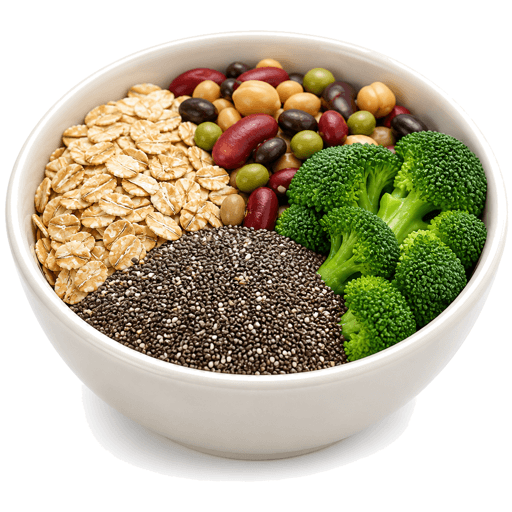
Fiber Intake Calculator
Calculate daily dietary fiber targets in grams from TDEE (BMR × activity)—IOM Adequate Intake, 14 g per 1,000 kcal, sample meal plan, hydration guide, soluble vs insoluble split, and PDF export.
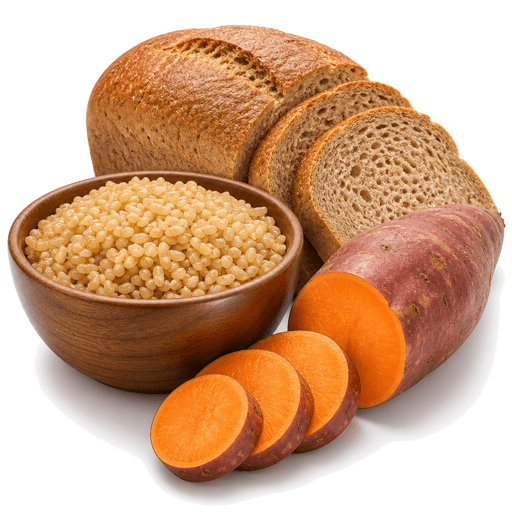
Carbohydrate Intake Calculator
Calculate daily carbohydrate targets in grams from TDEE—protein-priority macro split, training vs rest day cycling, complex vs simple guidance, meal distribution, Indian food examples & PDF export.
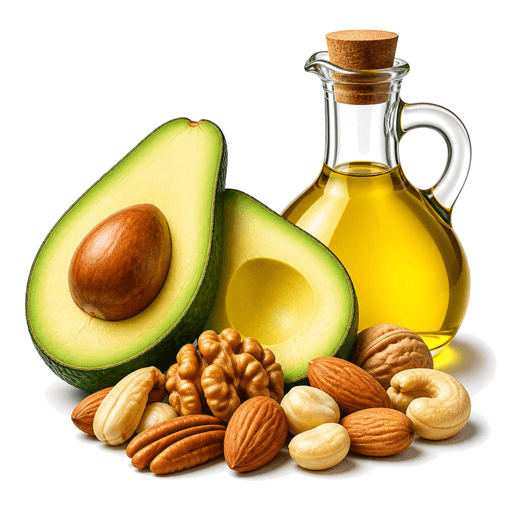
Fat Intake Calculator
Calculate daily dietary fat targets in grams from TDEE at 20–35% of calories—saturated fat limits, omega-3 guidance, per-meal splits, healthy fat food examples (Indian & global) & PDF export.
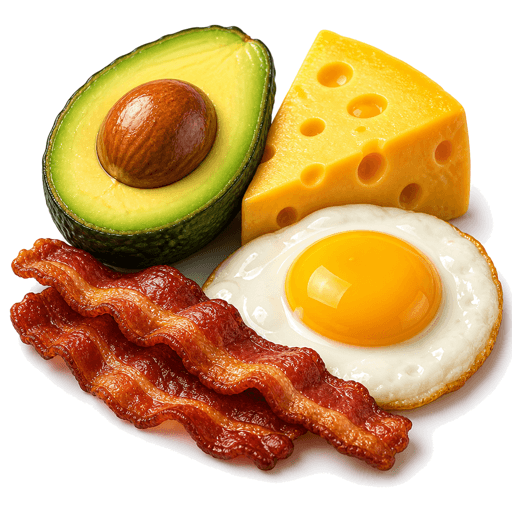
Ketogenic Diet Macro & Calorie Calculator
Calculate keto macros—daily calories, fat, protein, and net carbs for Standard, Targeted, or Cyclical ketogenic diets. TDEE-based with macro pie chart, meal timing, and PDF export.
Basal Metabolic Rate (BMR) Calculator
Estimate your basal metabolic rate (BMR)—resting calorie burn—from your body stats. Optional body fat % for a personalized estimate. See activity-based daily calorie estimates.
Total Daily Energy Expenditure (TDEE) Calculator
Calculate your Total Daily Energy Expenditure (TDEE) and BMR using a validated metabolic formula. Select your goal (lose weight, maintain, gain muscle) for ±500 kcal targets and macro split suggestions.
Calorie Deficit & Weight Loss Calculator
Calculate your daily calorie target for weight loss from body stats, activity, goal weight, and timeline. See TDEE, required deficit, estimated weeks to goal, and safety warnings.
Muscle Gain / Bulking Macro Calculator
Calculate bulking calories and macro split for lean, moderate, or aggressive muscle gain. TDEE-based surplus, protein g/kg, training vs rest day targets, meal distribution, and PDF export.
Calculator Categories
Explore more free tools by health topic. Your calculator's category is highlighted below.
Nutrition & Metabolism
31 calculators
Browse categoryBody Composition
16 calculators
Browse categoryFitness & Cardio
13 calculators
Browse categorySleep & Circadian Health
6 calculators
Browse categoryAging & Longevity
6 calculators
Browse categoryHeart & Metabolic Health
23 calculators
Browse categoryMental Wellbeing
4 calculators
Browse categoryWomen's Health
10 calculators
Browse categoryEnvironment & Lifestyle
6 calculators
Browse category