Micronutrient Deficiency Risk Calculator
Estimate deficiency risk from diet and lifestyle questions — identify common vitamin and mineral gaps with actionable guidance.
Answer all questions — results appear below after you calculate.
Diet & lifestyle questions
“For me” saves to My Metrics when you’re signed in. “For other” only shows results.
Clinically reviewed methodology. Last reviewed July 2026.
Editorial policy →Source links for formulas and guidance are listed in Sources & Citations below.
How this micronutrient calculator works
You complete a structured dietary recall questionnaire; answers are mapped to simple risk bands using intake thresholds commonly used in consumer nutrition tools (not blood test results).
Results are educational estimates intended to highlight possible gaps in reported intake, not to diagnose deficiency.
Micronutrient Deficiency Risk Calculator – Optimize Your Nutritional Health
Micronutrients—vitamins and minerals your body needs in trace amounts—are essential for health and vitality. This Micronutrient Deficiency Calculator screens your diet and lifestyle to reveal common nutritional gaps that can affect energy, immunity, bones, and mental function. Use this tool as a guide to identify at-risk nutrients, make informed dietary choices, and support lifelong wellness.
Many people don’t realize they have nutrient deficiencies until symptoms like fatigue or low immunity start appearing.
What Are Micronutrients?
Micronutrients are vitamins and minerals needed in small amounts, but they're vital for nearly every cellular process. Their absence can silently cause health problems long before symptoms appear.
Why They're Important:
- Vitamin D: Immunity, bone strength, and mood balance
- Vitamin B12: Nerve health and red blood cell formation
- Iron: Energy, oxygen transport, and brain function
- Calcium: Bone and teeth health, muscle and nerve signaling
- Folate: DNA synthesis, cell repair, and fetal development
- Magnesium: Muscle/nerve function, metabolism, and relaxation
How the Calculator Assesses Your Deficiency Risk
1Diet Quality Assessment
The tool reviews your intake of key food groups that supply vital micronutrients—vegetables, fruits, dairy/alternatives, protein sources, and whole grains.
2Lifestyle & Absorption Factors
- Sunlight: Needed for vitamin D synthesis
- Diet restrictions (e.g., vegetarian/vegan): Affect key micronutrient sources
- Supplement use/exclusions: Factored in if provided
3Risk Level Calculation
- Scoring: Each 'No' answer adds risk for specific deficiencies based on evidence-based algorithms
- Color-coded guidance: Low (green), Moderate (yellow), High (red) risk
Understanding Your Results
| Risk Level | What It Means | Action |
|---|---|---|
| Low | Unlikely deficiency | Maintain current habits |
| Moderate | Possible risk for deficiency | Review diet and consider food diversity |
| High | Higher likelihood of deficiency risk | Seek guidance from a healthcare provider or dietitian |
What Increases Micronutrient Deficiency Risk?
Protective Dietary Habits
- Eat 5+ servings of colorful vegetables & fruits daily
- Include lean proteins, fish, eggs, dairy, or alternatives
- Choose whole grains over refined
- Get regular safe sun (10+ min/day) for vitamin D
- Diversify plant sources if vegetarian
Risk Factors
- Restrictive/fad diets (e.g., very low calorie, keto, vegan diets without proper planning)
- Limited sun exposure
- Heavy alcohol intake or GI disorders that impair absorption
- Picky eating, food allergies, or intolerances
- Higher needs in pregnancy, growth, or older age
Why Address Deficiencies?
Benefits of Adequate Intake
- Higher energy & better mental focus
- Stronger immune function and faster recovery
- Robust bone and muscle health
- Improved mood and sleep quality
- Optimal growth (kids), healthy pregnancy
Risks of Deficiency
- Fatigue, weakness, and frequent illness
- Slow growth, learning issues in children
- Bone loss, muscle cramps, poor wound healing
- Higher risk for anemia, osteoporosis, birth defects
How to Improve Your Micronutrient Status
1. Upgrade Dietary Variety
- Fill half your plate with different-colored vegetables and fruits
- Include a source of protein at every meal
- Swap white grains for whole versions (brown rice, oats, whole wheat)
- Rotate food choices weekly to cover the spectrum of micronutrients
2. Address Lifestyle Gaps
- Spend safe time in the sun for vitamin D
- Don't skip meals or food groups without a substitute
- Manage stress—chronic stress impairs nutrient absorption
3. Consider Supplements (If Needed)
- For strict vegans: B12, vitamin D, and possibly iron and calcium
- During pregnancy/lactation: Prenatal multivitamin/folic acid
- Always consult with a healthcare provider before starting supplements
Monitoring Progress & When to Seek Help
Track Your Nutritional Status
- Notice health changes: energy, skin, nails, hair, mood
- Re-assess diet and calculator results after any big routine change
- Get regular medical checkups and blood tests if at risk
When to Seek Expert Help
- Persistent fatigue, weakness, or unexplained symptoms
- High or moderate risk repeatedly on this calculator
- Special needs: pregnancy, elderly, chronic illness
- Advice on supplements or personalized diet changes
Frequently Asked Questions (FAQs)
Related Calculators
You might also be interested in these related health and wellness calculators:
Calorie Calculator
Estimate your daily calorie needs based on your age, gender, weight, height, and activity level to support weight loss, maintenance, or muscle gain goals.

Macronutrient & Calorie Calculator
Calculate your daily calorie needs and get a personalized macronutrient split (protein, carbs, fats) based on your body stats, activity level, and health goal. Perfect for fat loss, muscle gain, or maintenance.
Vitamin D Deficiency Risk Assessment Calculator
Assess your vitamin D deficiency risk for the Indian population using ICMR-aligned scoring. Get daily IU need, food sources, sun exposure advice, and testing guidance.
Iron Deficiency / Anemia Risk Calculator
Assess your iron deficiency and anemia risk for the Indian population using ICMR-aligned scoring. Get daily iron need, food sources, absorption tips, and testing guidance.
Magnesium Deficiency Risk Calculator
Assess your magnesium deficiency risk using lifestyle, diet, medications & symptoms. Get daily mg need, Indian food sources, absorption tips, and testing guidance.

Daily Water Intake Calculator
Calculate your ideal daily water intake based on your weight, activity level, climate, and lifestyle. Get personalized hydration tips to stay healthy, improve energy, and support overall well-being.

Life Expectancy & Longevity Risk Calculator
Estimate your life expectancy based on your age, gender, lifestyle, medical history, and habits. Receive personalized tips to improve longevity, reduce health risks, and enhance overall well-being.
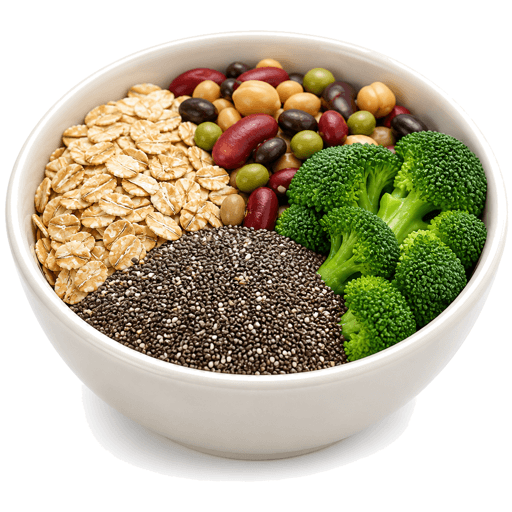
Fiber Intake Calculator
Calculate daily dietary fiber targets in grams from TDEE (BMR × activity)—IOM Adequate Intake, 14 g per 1,000 kcal, sample meal plan, hydration guide, soluble vs insoluble split, and PDF export.
Calculator Categories
Explore more free tools by health topic. Your calculator's category is highlighted below.
Nutrition & Metabolism
31 calculators
Browse categoryBody Composition
16 calculators
Browse categoryFitness & Cardio
13 calculators
Browse categorySleep & Circadian Health
6 calculators
Browse categoryAging & Longevity
6 calculators
Browse categoryHeart & Metabolic Health
23 calculators
Browse categoryMental Wellbeing
4 calculators
Browse categoryWomen's Health
10 calculators
Browse categoryEnvironment & Lifestyle
6 calculators
Browse category