Carbohydrate Calculator
Estimates the percentage of carbohydrates you should consume each day—from age, sex, height, weight, and activity—using Mifflin-St Jeor BMR and daily calorie allowance at 40%, 55%, 65%, and 75% carbs.
Enter your details — results appear below after you calculate.
Units & gender
Age, height & weight
Activity
Exercise: 15–30 minutes of elevated heart rate activity. Intense exercise: 45–120 minutes. Very intense exercise: 2+ hours of elevated heart rate activity.
“For me” saves to My Metrics when you’re signed in. “For other” only shows results.
Science-backed methodology. Last reviewed July 2026.
Editorial policy →Source links for formulas and guidance are listed in Sources & Citations below.
How this Carbohydrate Calculator works
Enter age (18–80), sex, height, weight (metric or US units), and activity level. We calculate your BMR (Mifflin-St Jeor) and maintenance calories (TDEE), then show daily carbohydrate grams at 40%, 55%, 65%, and 75% of calories for weight maintenance and lose/gain goals (0.5 or 1 kg per week).
It is recommended that carbohydrates comprise 40–75% of daily caloric intake. The results table matches standard carbohydrate calculators—one row per goal, with gram targets at each percentage. PDF export is available from the results screen.
For related nutrition tools, try our Macronutrient & Calorie, Protein Target, Muscle Gain & Bulking Macro, Glycemic Load, or Keto calculators.
Carbohydrate Intake Calculator – Daily Grams, Macro Split & Meal Timing
Carbohydrates are your body's preferred fuel for the brain, muscles, and high-intensity exercise—yet confusion about "how many carbs per day" is one of the most common nutrition questions. Too few carbs can leave you fatigued, irritable, and under-performing in the gym; too many refined carbs can drive weight gain and blood sugar swings. Our Carbohydrate Intake Calculator turns your sex, age, height, weight, activity level, health goal, and training schedule into a personalized daily gram target, protein-priority macro split, training vs rest day cycling, complex vs simple carb guidance, sample meal plans, and workout timing tips—with PDF export for dietitian or coach visits.
What Are Carbohydrates and Why Do They Matter?
Carbohydrates are one of three macronutrients (alongside protein and fat), providing 4 calories per gram. They break down into glucose, which powers your brain, red blood cells, and working muscles—especially during moderate-to-high intensity exercise. Dietary guidelines from the U.S. Institute of Medicine suggest 45–65% of calories from carbohydrates for most adults, though athletes, people in calorie deficits, and those on low-carb plans may intentionally land outside that range. Quality matters as much as quantity: whole grains, legumes, fruits, and vegetables deliver fiber, vitamins, and minerals; refined flour, sugary drinks, and ultra-processed snacks add carbs without lasting fullness or metabolic benefit.
1What You Enter
Required inputs
- Gender (male or female)
- Height, weight, and age
- Activity level (sedentary to athlete)
- Carbohydrate goal (6 options)
- Carb preset (balanced, moderate, high, low)
Training context
- Training days per week (0–7) for carb cycling
- Meals per day (3 or 4) for distribution
2Formulas We Use
Step 1 — Estimate daily calories (TDEE)
BMR = 10×weight(kg) + 6.25×height(cm) − 5×age + 5 (male) or −161 (female)
TDEE = BMR × activity factor (1.2–1.9)
Example: 70 kg, 175 cm, 30-year-old man, moderate activity → BMR ~1,695 kcal × 1.55 ≈ 2,627 kcal/day maintenance.
Step 2 — Goal-adjusted calories
- Fat loss: ~15% calorie reduction
- Muscle gain: ~10% calorie surplus
- Endurance: ~5% surplus for training fuel
- General / diabetes: maintenance calories
- Low-carb: ~5% reduction (optional)
Step 3 — Protein priority, then carbs & fat
Protein (g) = body weight (kg) × goal-based g/kg (1.4–2.2)
Carbs (g) = (adjusted calories × carb %) ÷ 4
Fat (g) = remaining calories ÷ 9 (with minimum fat floor)
Protein is set first to preserve muscle; carbs fill the preset percentage; fat takes the remainder with a healthy minimum (20–35% depending on goal).
Training vs rest day cycling
Training day carbs ≈ base + 15–25 g · Rest day carbs ≈ base − offset
Extra carbs on workout days support glycogen replenishment and performance without raising your weekly average excessively.
3What You Get
- Daily carbohydrate target (grams) with min–max range and % of calories
- Full macro breakdown: protein, carbs, fat with calorie context
- Training vs rest day carb cycling when you log training days
- Complex vs simple carbohydrate split guidance
- Per-meal distribution with timing and carb type notes
- Sample meal plan (Indian & global staples)
- Workout timing tips, goal-specific advice, and food reference table
- PDF export and share for tracking and professional visits
Complex vs Simple Carbohydrates — Deep Dive
Complex carbohydrates
Longer chains of sugar molecules that digest more slowly, providing steadier glucose release, more fiber, and greater satiety. Foundation of most meals.
Sources: brown rice, oats, millets, whole wheat, legumes, sweet potato, quinoa, vegetables
Simple carbohydrates
Shorter chains that digest faster—useful for quick energy around workouts but less ideal as the bulk of daily intake. Includes fruit sugars and refined sweets.
Sources: fruit, honey, dates, white bread, sugary drinks, candy, juice
Carbohydrate Needs by Goal
General health
Balanced 35–45% of calories from quality carb sources daily.
Fat loss
Moderate carbs (30–40%) with high protein; deficit drives fat loss, not carb elimination.
Muscle gain
40–50% carbs fuel training; surplus + protein support hypertrophy.
Endurance
45–60%+ carbs; glycogen loading and intra-workout fuel for long sessions.
Diabetes support
Moderate, evenly distributed complex carbs paired with protein and fiber.
Low-carb lifestyle
20–30% calories from carbs; not ketogenic—use Keto Calculator for <25 g net carbs.
Activity Factors We Use (TDEE)
| Level | Factor | Typical pattern |
|---|---|---|
| Sedentary | ×1.2 | Desk job, little exercise |
| Lightly active | ×1.375 | Light exercise 1–3 days/week |
| Moderately active | ×1.55 | Moderate exercise 3–5 days/week |
| Very active | ×1.725 | Heavy exercise 6–7 days/week |
| Athlete | ×1.9 | 2× daily training or physical job |
Sample High-Carb Day (Indian-style, ~200–250 g)
| Meal | Example foods | Approx. carbs |
|---|---|---|
| Breakfast | Oats with banana, or 2 idli with sambar | ~45–55 g |
| Lunch | Brown rice, dal, mixed sabzi, salad | ~70–80 g |
| Pre-workout snack | Banana or dates | ~25–30 g |
| Dinner | 2 roti, rajma, cooked greens | ~55–65 g |
Totals vary by portion size—use food labels or apps for precision. Your calculator personalizes targets from your TDEE, goal, and training schedule.
Carbohydrate Food Reference Table
| Food | Serving | Carbs | Type |
|---|---|---|---|
| Brown rice | 1 cup cooked | ~45 g | Complex |
| Whole wheat roti | 2 medium | ~30 g | Complex |
| Oats | ½ cup dry | ~27 g | Complex |
| Sweet potato | 1 medium | ~24 g | Complex |
| Chickpeas / chana | 1 cup | ~45 g | Both |
| Banana | 1 medium | ~27 g | Simple |
| Quinoa | 1 cup cooked | ~39 g | Complex |
| Ragi roti | 2 medium | ~42 g | Complex |
| Idli | 2 pieces | ~30 g | Complex |
| Poha | 1 cup cooked | ~35 g | Complex |
| Dates | 3 pieces | ~18 g | Simple |
| White bread | 2 slices | ~26 g | Simple |
Carb Timing Around Workouts
Pre-workout (1–2 h before)
30–60 g carbs + moderate protein, lower fat and fiber for easier digestion. Examples: oats, banana, rice, idli, toast with honey.
During long sessions (>60–90 min)
30–60 g carbs per hour from sports drink, dates, or gels for endurance events. Not needed for typical gym sessions under 60 minutes.
Post-workout (within 1–2 h)
Carbs + protein to replenish glycogen and support repair. Examples: rice and dal, smoothie with fruit, roti with paneer and vegetables.
Common Carbohydrate Mistakes
Cutting carbs too low while training hard
Under-fueling reduces performance, recovery, and can increase muscle loss. Match carbs to training volume.
Eating all carbs at dinner
Large evening carb loads can disrupt sleep and leave you low on energy earlier in the day. Spread intake across meals.
Ignoring protein when lowering carbs
Adequate protein (1.6–2.2 g/kg) preserves muscle during fat loss. Set protein first, then adjust carbs.
Relying on refined carbs and sugary drinks
Maida snacks, soda, and juice add carbs without fiber or lasting satiety—prioritize whole food sources.
Why Carbohydrates Matter for Health & Performance
Exercise performance
Muscle glycogen—the stored form of carbohydrate—is the primary fuel for high-intensity and endurance exercise. Inadequate carb intake reduces power output, increases perceived effort, and slows recovery between sessions.
Brain function
Your brain relies heavily on glucose. Very low carbohydrate intake can cause brain fog, irritability, and poor concentration—especially before the body fully adapts to using ketones (on strict keto diets).
Blood sugar management
The type, amount, and timing of carbohydrates strongly influence post-meal glucose. Complex carbs with protein and fiber produce steadier responses than refined carbs alone—critical for diabetes and metabolic health.
Thyroid & hormones
Chronically very low carbohydrate intake combined with aggressive calorie deficits can affect thyroid hormones and reproductive hormones in some people. Moderate carb approaches often support better energy and hormonal balance.
Practical Tips to Hit Your Carb Target
- Plate method: Half vegetables, quarter protein, quarter complex carbs at lunch and dinner.
- Prep staples: Cook rice, dal, or oats in batches for the week.
- Read labels: Check total carbohydrates per serving on packaged foods—serving sizes are often smaller than expected.
- Time simple carbs: Save fruit, dates, and faster carbs for pre/post workout when training regularly.
- Recalculate: Update targets every 4–6 weeks as weight and activity change.
Limitations & When to Seek Care
This calculator provides educational estimates—not medical nutrition therapy. People with diabetes, especially those on insulin or sulfonylureas, should adjust carbohydrates under professional guidance and monitor blood glucose. Those with chronic kidney disease may need protein and carb modifications. Athletes with eating disorders or at risk of RED-S (Relative Energy Deficiency in Sport) need specialized care beyond generic calculators. Pregnant and lactating women have different energy and carb needs—follow prenatal care advice. If you have celiac disease, gluten-free carb sources (rice, millets, quinoa) still meet your gram targets.
Related Tools on This Site
Pair carb targets with our Macronutrient & Calorie Calculator, Protein Target Calculator, Muscle Gain & Bulking Macro Calculator, Glycemic Load Calculator, Keto Calculator, Fiber Intake Calculator, and Calorie Deficit Calculator for complete nutrition and metabolic context.
Frequently Asked Questions (FAQs)
Related Calculators
You might also be interested in these related health and wellness calculators:

Macronutrient & Calorie Calculator
Calculate your daily calorie needs and get a personalized macronutrient split (protein, carbs, fats) based on your body stats, activity level, and health goal. Perfect for fat loss, muscle gain, or maintenance.
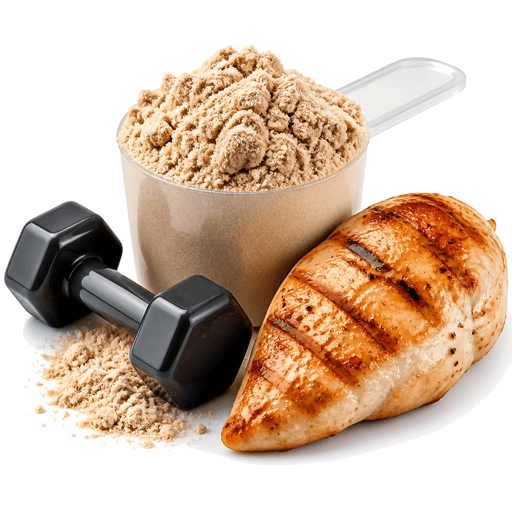
Protein Target Calculator
Calculate daily protein targets in grams from body weight, goal, and training—with GLP-1 muscle-preservation (1.6–2.2 g/kg), adjusted weight above 100 kg, sedentary 0.8–1.2 g/kg, and per-meal splits.
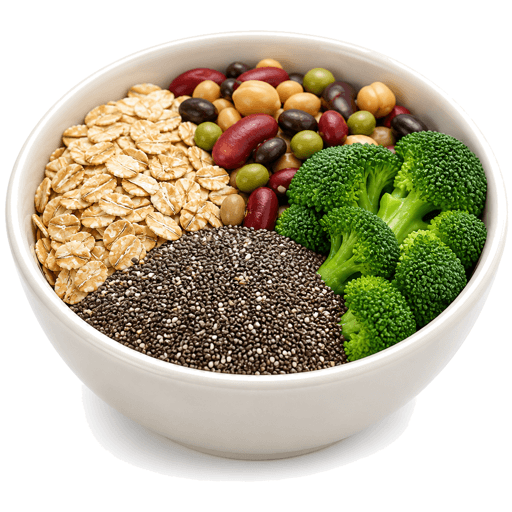
Fiber Intake Calculator
Calculate daily dietary fiber targets in grams from TDEE (BMR × activity)—IOM Adequate Intake, 14 g per 1,000 kcal, sample meal plan, hydration guide, soluble vs insoluble split, and PDF export.
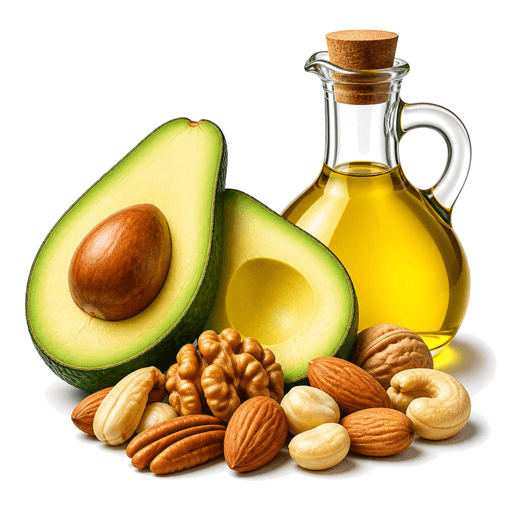
Fat Intake Calculator
Calculate daily dietary fat targets in grams from TDEE at 20–35% of calories—saturated fat limits, omega-3 guidance, per-meal splits, healthy fat food examples (Indian & global) & PDF export.
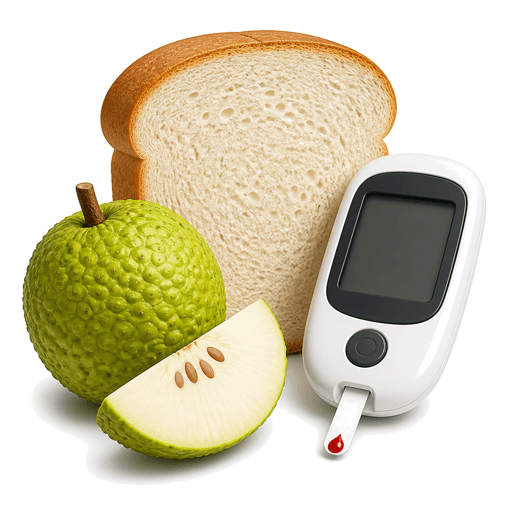
Glycemic Load Calculator
Calculate meal glycemic load from GI and carb portions—compare to diabetes & weight-loss targets, 30+ Indian food presets, lower-GL swaps, pairing tips, and PDF export.

Ketogenic Diet Macro & Calorie Calculator
Calculate keto macros—daily calories, fat, protein, and net carbs for Standard, Targeted, or Cyclical ketogenic diets. TDEE-based with macro pie chart, meal timing, and PDF export.
Calorie Deficit & Weight Loss Calculator
Calculate your daily calorie target for weight loss from body stats, activity, goal weight, and timeline. See TDEE, required deficit, estimated weeks to goal, and safety warnings.

Muscle Gain / Bulking Macro Calculator
Calculate bulking calories and macro split for lean, moderate, or aggressive muscle gain. TDEE-based surplus, protein g/kg, training vs rest day targets, meal distribution, and PDF export.
Calculator Categories
Explore more free tools by health topic. Your calculator's category is highlighted below.
Nutrition & Metabolism
31 calculators
Browse categoryBody Composition
16 calculators
Browse categoryFitness & Cardio
13 calculators
Browse categorySleep & Circadian Health
6 calculators
Browse categoryAging & Longevity
6 calculators
Browse categoryHeart & Metabolic Health
23 calculators
Browse categoryMental Wellbeing
4 calculators
Browse categoryWomen's Health
10 calculators
Browse categoryEnvironment & Lifestyle
6 calculators
Browse category