Fat Intake Calculator
Estimates the percentage of dietary fat you should consume each day—from age, sex, height, weight, and activity—using Mifflin-St Jeor BMR and daily calorie allowance at 20%, 25%, 30%, and 35% fat.
Enter your details — results appear below after you calculate.
Units & gender
Age, height & weight
Activity
Exercise: 15–30 minutes of elevated heart rate activity. Intense exercise: 45–120 minutes. Very intense exercise: 2+ hours of elevated heart rate activity.
“For me” saves to My Metrics when you’re signed in. “For other” only shows results.
Science-backed methodology. Last reviewed July 2026.
Editorial policy →Source links for formulas and guidance are listed in Sources & Citations below.
How this Fat Intake Calculator works
Enter age (18–80), sex, height, weight (metric or US units), and activity level. We calculate your BMR (Mifflin-St Jeor) and maintenance calories (TDEE), then show daily fat grams at 20%, 25%, 30%, and 35% of calories for weight maintenance and lose/gain goals (0.5 or 1 kg per week).
Health guidelines recommend 20–35% of daily calories from fat, with saturated fat under 10%. Results include a saturated fat limit, omega-3 target, per-meal distribution, healthy fat food examples, and PDF export from the results screen.
For related nutrition tools, try our Macronutrient & Calorie, Protein Target, Carbohydrate Intake, Cholesterol Risk, or Keto calculators.
Fat Intake Calculator – Daily Grams, Healthy Fats & Saturated Fat Limits
Dietary fat is essential for hormone production, brain function, vitamin absorption (A, D, E, K), cell membranes, and long-lasting satiety—yet confusion about "how much fat per day" leads many people to either fear all fats or overconsume the wrong kinds. Too little fat can disrupt hormones and leave you hungry; too much saturated and trans fat raises cardiovascular risk. Our Fat Intake Calculator turns your sex, age, height, weight, and activity level into a personalized daily gram target at 20%, 25%, 30%, and 35% of calories, plus saturated fat limits, omega-3 targets, per-meal distribution, sample meal plans, and food examples—with PDF export for dietitian or coach visits.
What Is Dietary Fat and Why Does It Matter?
Fat is one of three macronutrients (alongside protein and carbohydrates), providing 9 calories per gram—more than double protein or carbs. Your body uses fat for energy storage, insulation, hormone synthesis (including testosterone, estrogen, and cortisol), and absorbing fat-soluble vitamins. The U.S. Institute of Medicine and WHO recommend 20–35% of calories from fat for most adults, with saturated fat limited to under 10% and trans fat as low as possible. Quality matters enormously: extra-virgin olive oil, nuts, seeds, avocado, and fatty fish support heart health; deep-fried snacks, processed meats, and hydrogenated oils do the opposite.
1What You Enter
Required inputs
- Gender (male or female)
- Height, weight, and age (18–80)
- Units: metric (kg, cm) or US (lb, ft/in)
- Activity level (sedentary to very intense)
What we derive
- BMR and TDEE (weight-maintenance calories)
- Fat grams at 20%, 25%, 30%, and 35% of calories
- Goal-adjusted rows: lose/gain 0.5 or 1 kg per week
2Formulas We Use
Step 1 — Estimate daily calories (TDEE)
BMR = 10×weight(kg) + 6.25×height(cm) − 5×age + 5 (male) or −161 (female)
TDEE = BMR × activity factor (1.2–1.9)
Example: 70 kg, 175 cm, 30-year-old man, moderate activity → BMR ~1,695 kcal × 1.55 ≈ 2,627 kcal/day maintenance.
Step 2 — Goal-adjusted calories
- Lose 0.5 kg/week: TDEE − 500 kcal/day
- Lose 1 kg/week: TDEE − 1,000 kcal/day
- Gain 0.5 kg/week: TDEE + 500 kcal/day
- Gain 1 kg/week: TDEE + 1,000 kcal/day
Step 3 — Fat grams from calorie percentage
Fat (g) = (daily calories × fat %) ÷ 100 ÷ 9
Saturated fat limit (g) = (daily calories × 10%) ÷ 9
On 2,000 kcal at 30% fat: (2,000 × 0.30) ÷ 9 ≈ 67 g fat/day. Saturated limit: (2,000 × 0.10) ÷ 9 ≈ 22 g/day.
3What You Get
- Daily fat target (grams) at 20%, 25%, 30%, and 35% of calories
- Goal rows for maintenance, weight loss, and weight gain
- Saturated fat limit (under 10% of calories)
- Omega-3 daily target and food sources
- Per-meal fat distribution (breakfast, lunch, dinner, snacks)
- Healthy fat food reference table (Indian & global staples)
- Interpretation, contributing factors, and recommendations
- PDF export and share for tracking and professional visits
Types of Dietary Fat — Saturated, Unsaturated & Trans
Saturated fat
Solid at room temperature. Excess intake raises LDL ("bad") cholesterol. Limit to under 10% of daily calories.
Sources: ghee, butter, coconut oil, red meat, full-fat dairy, palm oil, processed baked goods
Unsaturated fat
Liquid at room temperature. Supports heart health, inflammation control, and hormone balance. Should comprise most of your daily fat.
Monounsaturated: olive oil, avocado, peanuts. Polyunsaturated: walnuts, flaxseed, fatty fish (omega-3)
Trans fat
Artificially hydrogenated oils raise LDL and lower HDL. No safe level—avoid entirely when possible.
Sources: some margarines, packaged cookies, fried fast food, "partially hydrogenated" on labels
Omega-3 and Omega-6 Fatty Acids
Omega-3 (EPA, DHA from fish; ALA from plants) and omega-6 (from vegetable oils, nuts, seeds) are essential polyunsaturated fats your body cannot make. Modern diets often skew heavily toward omega-6 from refined oils, while omega-3 intake is low. Aim for fatty fish 2–3 times weekly, or plant sources daily: walnuts (2 tbsp), ground flaxseed (2 tbsp), or chia seeds. General ALA targets: ~1.1 g/day women, ~1.6 g/day men; EPA+DHA combined 250–500 mg/day from food is widely cited for cardiovascular benefit.
| Source | Omega-3 type | Approx. per serving |
|---|---|---|
| Salmon (3 oz) | EPA + DHA | ~1.5 g |
| Walnuts (1 oz) | ALA | ~2.5 g |
| Flaxseed, ground (2 tbsp) | ALA | ~3.2 g |
| Chia seeds (2 tbsp) | ALA | ~5 g |
Fat Intake by Goal — Fat Loss, Maintenance & Muscle Gain
Fat loss
Fat loss is driven by a calorie deficit, not eliminating fat. Most people succeed with 25–30% of calories from fat while keeping protein high (1.6–2.0 g/kg) to preserve muscle. Very low fat (<20%) can impair hormone function and make meals less satisfying. Use the lose rows in the results table for deficit-adjusted gram targets.
Weight maintenance
At maintenance TDEE, 30% fat is a practical mid-range target within the 20–35% AMDR. A 2,400 kcal diet at 30% fat equals ~80 g/day. Split across meals: breakfast ~20 g, lunch ~24 g, dinner ~24 g, snacks ~12 g.
Muscle gain
Bulking requires surplus calories and adequate protein. Fat typically fills 25–35% of surplus calories to support testosterone, joint lubrication, and vitamin absorption. Active lifters on 2,800+ kcal often need 75–100+ g fat daily. Use the gain rows in the calculator for surplus-adjusted targets.
Healthy Fats in Indian Diets
Traditional Indian cooking uses a mix of oils and whole-food fats. Mustard oil (north/east), groundnut oil (west), sesame oil (south), and coconut oil (coastal regions) each have distinct fatty acid profiles. Ghee adds flavor and fat-soluble vitamins but is high in saturated fat—use modestly. Nuts (almonds, walnuts, peanuts) and seeds (flax, sesame, pumpkin) are excellent daily additions. Fatty fish (rohu, hilsa, mackerel, sardines) provide omega-3. Limit deep-fried snacks (pakoras, samosas, vada), restaurant gravies heavy in cream and butter, and excessive store-bought sweets made with hydrogenated vanaspati.
| Food | Fat per typical serving | Best use |
|---|---|---|
| Mustard oil (1 tbsp) | ~14 g | Cooking, tempering |
| Ghee (1 tbsp) | ~14 g | Roti, dal—sparingly |
| Almonds (23 nuts / 1 oz) | ~14 g | Snack, breakfast topping |
| Paneer (100 g) | ~20 g | Protein + fat at lunch/dinner |
| Coconut (½ cup grated) | ~13 g | South Indian dishes, chutneys |
Sample Day — ~67 g Fat at 2,000 Calories (30%)
| Meal | Foods | Fat (approx.) |
|---|---|---|
| Breakfast | Oats with walnuts, flaxseed, and milk; 1 boiled egg | ~17 g |
| Lunch | 2 roti with 1 tsp ghee, dal, sabzi cooked in 1 tbsp mustard oil | ~20 g |
| Snack | Handful of almonds (15–20) | ~10 g |
| Dinner | Grilled fish or paneer tikka, brown rice, salad with olive oil dressing | ~20 g |
Total ~67 g fat · Saturated fat kept moderate by limiting ghee and choosing fish/paneer over red meat · Omega-3 from walnuts, flax, and fish
How to Read Fat on Food Labels
Nutrition labels list total fat, then break down saturated fat and sometimes trans fat. Per serving, compare saturated fat to your daily limit (under 10% of calories). A product with 5 g saturated fat per serving uses a significant share of a 22 g daily limit on 2,000 kcal. "Low fat" means ≤3 g fat per serving; "fat free" means <0.5 g. Remember: low-fat packaged foods often add sugar to compensate—check total calories and ingredients, not just fat grams.
- Total fat: All fat types combined per serving
- Saturated fat: Count toward your 10% daily cap
- Trans fat: Avoid; look for "0 g" and no partially hydrogenated oils in ingredients
- Monounsaturated / polyunsaturated: Listed on some labels; higher is generally better
Fat vs Keto — When to Use Which Calculator
This Fat Intake Calculator targets the standard 20–35% range for balanced diets—typically 50–100+ g/day for many adults. Ketogenic diets use 65–75% of calories from fat with very low carbs to maintain ketosis. If you follow strict keto, use our Keto Calculator. If you want full macro overview, try the Macronutrient & Calorie Calculator.
Frequently Asked Questions (FAQs)
Related Calculators
You might also be interested in these related health and wellness calculators:

Macronutrient & Calorie Calculator
Calculate your daily calorie needs and get a personalized macronutrient split (protein, carbs, fats) based on your body stats, activity level, and health goal. Perfect for fat loss, muscle gain, or maintenance.
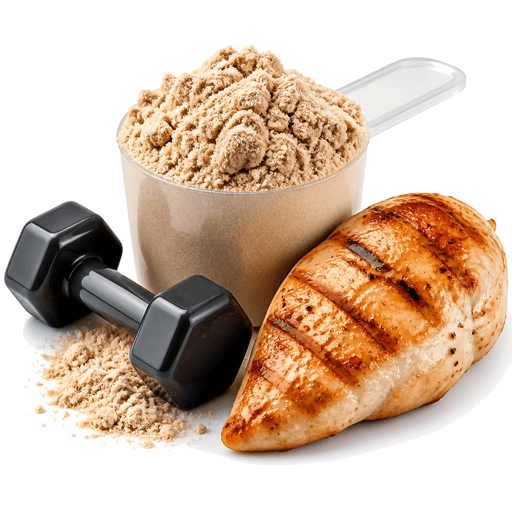
Protein Target Calculator
Calculate daily protein targets in grams from body weight, goal, and training—with GLP-1 muscle-preservation (1.6–2.2 g/kg), adjusted weight above 100 kg, sedentary 0.8–1.2 g/kg, and per-meal splits.
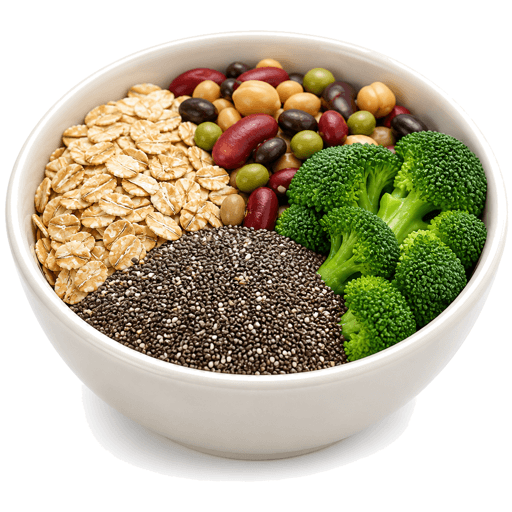
Fiber Intake Calculator
Calculate daily dietary fiber targets in grams from TDEE (BMR × activity)—IOM Adequate Intake, 14 g per 1,000 kcal, sample meal plan, hydration guide, soluble vs insoluble split, and PDF export.
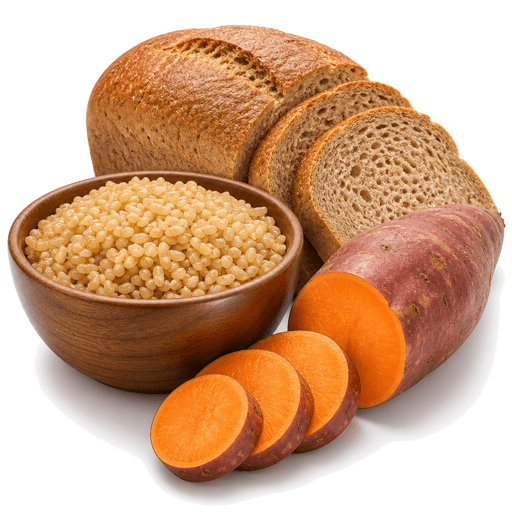
Carbohydrate Intake Calculator
Calculate daily carbohydrate targets in grams from TDEE—protein-priority macro split, training vs rest day cycling, complex vs simple guidance, meal distribution, Indian food examples & PDF export.
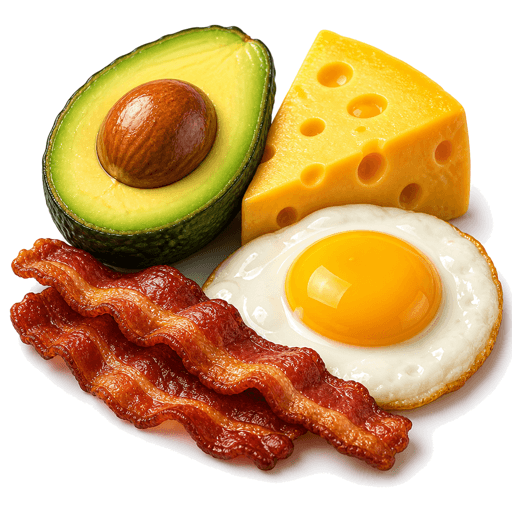
Ketogenic Diet Macro & Calorie Calculator
Calculate keto macros—daily calories, fat, protein, and net carbs for Standard, Targeted, or Cyclical ketogenic diets. TDEE-based with macro pie chart, meal timing, and PDF export.
Cholesterol Level Interpreter & Heart Risk Calculator
Interpret cholesterol with AHA/ACC lipid thresholds, color-coded marker cards, LDL:HDL and Total:HDL ratios, cardiovascular risk classification, and personalized diet & exercise recommendations.
Calorie Deficit & Weight Loss Calculator
Calculate your daily calorie target for weight loss from body stats, activity, goal weight, and timeline. See TDEE, required deficit, estimated weeks to goal, and safety warnings.
Muscle Gain / Bulking Macro Calculator
Calculate bulking calories and macro split for lean, moderate, or aggressive muscle gain. TDEE-based surplus, protein g/kg, training vs rest day targets, meal distribution, and PDF export.
Calculator Categories
Explore more free tools by health topic. Your calculator's category is highlighted below.
Nutrition & Metabolism
31 calculators
Browse categoryBody Composition
16 calculators
Browse categoryFitness & Cardio
13 calculators
Browse categorySleep & Circadian Health
6 calculators
Browse categoryAging & Longevity
6 calculators
Browse categoryHeart & Metabolic Health
23 calculators
Browse categoryMental Wellbeing
4 calculators
Browse categoryWomen's Health
10 calculators
Browse categoryEnvironment & Lifestyle
6 calculators
Browse category