Cholesterol Level Interpreter & Heart Risk Calculator
Free cholesterol calculator and LDL HDL ratio calculator: AHA/ACC lipid thresholds, color-coded marker cards, LDL:HDL and Total:HDL ratios, cardiovascular risk classification, and personalized diet & exercise recommendations — cholesterol level meaning India.
Enter your details — results appear below after you calculate.
Lipid panel values
"Bad" cholesterol — primary treatment target
"Good" cholesterol — higher is protective
Blood fats — often raised by refined carbs and alcohol
Personal & health factors
Optional — combined with lipids for a fuller cardiovascular risk picture
“For me” saves to My Metrics when you’re signed in. “For other” only shows results.
Clinically reviewed methodology. Last reviewed July 2026.
Editorial policy →How this Cholesterol Risk Calculator works
Enter your lipid panel values — total cholesterol, LDL, HDL, and triglycerides (mg/dL), plus age, sex, whether you smoke or have diabetes, and optionally systolic blood pressure.
We categorize each marker using AHA/ACC lipid thresholds (Optimal, Borderline, High, Very High), display color-coded result cards, calculate LDL:HDL and Total:HDL ratios (low risk when LDL:HDL < 3.5, high risk when > 5), classify overall cardiovascular risk, and provide personalized diet and exercise recommendations.
For related checks, try our Cardiovascular Risk Calculator, Heart Age Calculator, and Blood Pressure Risk Calculator.
Cholesterol Level Interpreter & Heart Risk Calculator – LDL HDL Ratio, Lipid Chart India & AHA/ACC Categories
Millions search "cholesterol calculator", "LDL HDL ratio calculator", "is my cholesterol dangerous", and "cholesterol level meaning India" each year. Dyslipidemia affects an estimated 25–30% of urban Indian adults yet many remain undiagnosed because high cholesterol has no symptoms until a heart attack or stroke occurs. Our free Cholesterol Level Interpreter & Heart Risk Calculator categorizes each lipid value using AHA/ACC thresholds, shows color-coded result cards for Total, LDL, HDL, and Triglycerides, calculates LDL:HDL and Total:HDL ratios, classifies overall cardiovascular risk, and delivers personalized diet and exercise recommendations.
Pair results with our Cardiovascular Risk Calculator, Heart Age Calculator, and Blood Pressure Risk Calculator for a complete picture of how cholesterol affects your heart, arteries, and long-term wellness.
Why Interpret Your Cholesterol?
Cholesterol is a waxy substance your body needs to build cells and hormones. It travels in blood attached to lipoproteins: LDL (low-density lipoprotein — "bad" cholesterol that deposits in artery walls) and HDL (high-density lipoprotein — "good" cholesterol that removes excess cholesterol). Triglycerides are another blood fat linked to diet, weight, and metabolic health. When LDL is too high, HDL too low, or triglycerides elevated, arteries narrow and harden (atherosclerosis) — raising risk of heart attack, stroke, and peripheral artery disease.
The American Heart Association (AHA) and American College of Cardiology (ACC) set lipid thresholds used globally, including by India's Cardiological Society of India (CSI) and ICMR. A fasting lipid panel costs ₹300–800 at most Indian labs and should be part of routine health screening from age 30–40.
1What You Enter
Lipid panel values (mg/dL)
- Total Cholesterol — complete cholesterol in blood
- LDL Cholesterol — "bad" cholesterol
- HDL Cholesterol — "good" cholesterol
- Triglycerides — blood fats from diet
Personal & health factors
- Age — 18–100 years
- Gender — Male or Female (affects HDL thresholds)
- Smoker — Yes / No
- Diabetic — Yes / No
- Systolic BP — optional (mmHg)
Example (Moderate risk — man, 52)
TC 218, LDL 142, HDL 38, TG 190, age 52, male, smoker yes → Borderline total, High LDL, Low HDL, Borderline TG, LDL:HDL 3.7, Moderate to High cardiovascular risk.
Example (Optimal — woman, 35)
TC 175, LDL 88, HDL 62, TG 110, age 35, female, non-smoker → All markers Optimal, LDL:HDL 1.4, Low cardiovascular risk.
2Formulas & Logic — AHA/ACC Lipid Thresholds
LDL:HDL ratio
LDL:HDL Ratio = LDL Cholesterol ÷ HDL Cholesterol
Low risk: ratio < 3.5 · Moderate: 3.5–5.0 · High risk: ratio > 5.0
Total:HDL ratio
Total:HDL Ratio = Total Cholesterol ÷ HDL Cholesterol
Favorable: < 4.5 · Borderline: 4.5–5.0 · Elevated risk: > 5.0
Cardiovascular risk scoring
Lipid category scores per marker + ratio adjustment + comorbidity points: Smoker (+12) · Diabetes (+15) · Age 45–64 (+5) · Age ≥65 (+10) · Male ≥45 (+3) · Systolic BP 130–139 (+6) · 140–159 (+12) · ≥160 (+18). Combined score maps to Low, Moderate, High, or Very High cardiovascular risk.
3What You Get in Your Report
- Color-coded marker cards — Optimal (green), Borderline (amber), High (orange), Very High (red)
- LDL:HDL ratio with Low / Moderate / High risk classification
- Total:HDL ratio for additional risk context
- Overall cardiovascular risk — Low, Moderate, High, or Very High
- Lifestyle recommendations — personalized diet and exercise advice
- Interpretation, insights, next steps, and related calculator links
- PDF export & share for doctor visits
4How We Calculate Your Results
- Categorize each lipid using AHA/ACC thresholds
- Calculate LDL:HDL and Total:HDL ratios
- Apply ratio risk rules (LDL:HDL < 3.5 low, > 5 high)
- Score comorbidity factors (smoking, diabetes, age, sex, optional BP)
- Assign overall cardiovascular risk level
- Generate color-coded cards, lifestyle recommendations, and next steps
Lipid Chart — AHA/ACC Categories (mg/dL)
| Marker | Optimal | Borderline | High | Very High |
|---|---|---|---|---|
| Total Cholesterol | < 200 | 200–239 | 240–279 | ≥ 280 |
| LDL Cholesterol | < 100 | 100–129 | 130–189 | ≥ 190 |
| HDL (Men) | ≥ 60 | 40–59 | < 40 | < 30 |
| HDL (Women) | ≥ 60 | 50–59 | < 50 | < 35 |
| Triglycerides | < 150 | 150–199 | 200–499 | ≥ 500 |
Note: For HDL, higher values are better. Categories labeled High/Very High for HDL indicate low HDL levels that increase cardiovascular risk.
Cholesterol & Heart Disease in India — Key Statistics
- Prevalence: 25–30% of urban Indian adults have dyslipidemia; rural rates are rising
- South Asian pattern: Indians often have low HDL + high triglycerides even at normal BMI
- Heart disease burden: Cardiovascular disease causes ~28% of deaths in India
- Young onset: Coronary artery disease occurs 10–15 years earlier in South Asians
- Diet factor: High intake of ghee, fried snacks, refined carbs drives abnormal lipids
- Treatment gap: Only ~15% of Indians with high cholesterol receive adequate treatment
How to Prepare for a Lipid Panel Test
- Fast 9–12 hours before the test — water is allowed; no food, tea, coffee, or alcohol
- Avoid strenuous exercise 24 hours before — it can temporarily raise triglycerides
- Take regular medications unless your doctor advises otherwise
- Avoid alcohol for 24–48 hours before — alcohol spikes triglycerides
- Schedule a morning appointment for easiest fasting compliance
- Bring previous lipid reports for trend comparison
- If non-fasting, note it — triglycerides and calculated LDL may be less accurate
Diet Tips to Lower Cholesterol — India-Friendly
- Increase: Oats (daliya), barley (jau), millets (ragi, bajra), whole dal, leafy greens, flaxseeds, walnuts, almonds, fatty fish
- Reduce: Ghee/butter in excess, coconut oil (limit for high LDL), fried pakoras/samosa, bakery items, organ meats, egg yolks (limit to 3–4/week if LDL high)
- Swap: White rice → brown rice or millets; maida → whole wheat atta; full-fat milk → skim or toned milk
- Cooking oils: Mustard oil, rice bran oil, groundnut oil in moderation; avoid repeated deep-frying
- Fiber target: 25–30 g/day — most Indians get only 15–20 g
Worked Example — Step-by-Step
A 52-year-old male smoker with lipid panel: Total 218 mg/dL, LDL 142 mg/dL, HDL 38 mg/dL, Triglycerides 190 mg/dL, systolic BP 132 mmHg:
- Total cholesterol: 218 → Borderline (200–239)
- LDL: 142 → High (130–189)
- HDL: 38 → High risk (low HDL < 40 for men)
- Triglycerides: 190 → Borderline (150–199)
- LDL:HDL ratio: 142 ÷ 38 = 3.7 (moderate risk)
- Comorbidities: Smoker (+12) + Age 45–64 (+5) + Male ≥45 (+3) + SBP 130–139 (+6) = +26 pts
- Overall cardiovascular risk: High
- Recommendation: Quit smoking, DASH-style diet, 150 min/week exercise, doctor visit for statin evaluation
LDL vs HDL vs Triglycerides — What Each Number Means
LDL (bad)
Carries cholesterol to artery walls, forming plaque. Primary treatment target — optimal < 100 mg/dL.
HDL (good)
Removes excess cholesterol from arteries. Higher is protective — ≥ 60 mg/dL is optimal.
Triglycerides
Blood fats from excess calories and sugar. High levels (> 200) link to metabolic syndrome and diabetes risk.
Cardiovascular Risk Tiers (Educational)
| Level | Typical profile | Action |
|---|---|---|
| Low | Most markers optimal; LDL:HDL < 3.5 | Maintain diet & exercise; recheck every 4–5 years |
| Moderate | 1–2 borderline markers or ratio 3.5–5.0 | Intensive lifestyle changes; recheck in 3–6 months |
| High | High LDL/TG or LDL:HDL > 5 with risk factors | Doctor visit; statin therapy likely |
| Very High | LDL ≥ 190 or TG ≥ 500 | Prompt medical evaluation; aggressive treatment |
Common Cholesterol Medications in India
| Class | Examples | Notes |
|---|---|---|
| Statins | Atorvastatin, Rosuvastatin, Simvastatin | First-line; lowers LDL 30–50% |
| Ezetimibe | Ezetimibe (Ezedoc) | Blocks cholesterol absorption; add-on to statin |
| Fibrates | Fenofibrate, Gemfibrozil | Primarily for high triglycerides |
| Omega-3 | EPA/DHA prescription | For very high TG (≥ 500) |
Never start, stop, or change cholesterol medication without your doctor. Generic statins cost ₹50–500/month in India.
Exercise for Cholesterol — What Works
- Aerobic exercise — 150 min/week lowers LDL 5–10% and raises HDL 5–8%
- Resistance training — 2 sessions/week improves overall lipid profile
- Weight loss synergy — losing 5–10% body weight can lower LDL 15–20%
- Even 30 minutes of daily walking is a practical starting point for most Indians
Common Mistakes When Reading Cholesterol Results
- Focusing only on total cholesterol — LDL is the primary treatment target
- Ignoring low HDL — protective cholesterol matters as much as LDL
- Testing non-fasting and comparing to fasting reference ranges
- Not rechecking after lifestyle changes — allow 6–12 weeks for lipid changes
- Stopping statins without medical advice when numbers improve
Next Steps After Your Results
- Export your PDF report and bring it to your next doctor or cardiologist appointment
- Run our Cardiovascular Risk Calculator for multi-factor heart disease screening
- Check your Heart Age to see how lipids affect your biological heart age
- Interpret blood pressure with our Blood Pressure Risk Calculator
- Recheck lipids in 6–12 weeks after lifestyle changes or medication adjustment
Frequently Asked Questions (FAQs)
Related Calculators
You might also be interested in these related health and wellness calculators:
ASCVD 10-Year Risk Calculator
Calculate 10-year ASCVD risk using validated 2013 ACC/AHA Pooled Cohort Equations. Estimate heart attack, stroke, and coronary death risk with ACC/AHA categories and statin guidance.
Framingham Risk Score Calculator
Official Framingham risk score with 2008 General CVD (CHD, stroke, PAD, heart failure) and 1998 Wilson Hard CHD. Framingham Heart Study validated scores with treatment guidance.
Coronary Heart Disease Risk Calculator
CHD-focused 10-year risk calculator with Wilson 1998 Hard CHD (angina, heart attack, coronary death) as primary result plus D'Agostino 2008 General CVD context.
Fiber Intake Calculator
Calculate daily dietary fiber targets in grams from TDEE (BMR × activity)—IOM Adequate Intake, 14 g per 1,000 kcal, sample meal plan, hydration guide, soluble vs insoluble split, and PDF export.
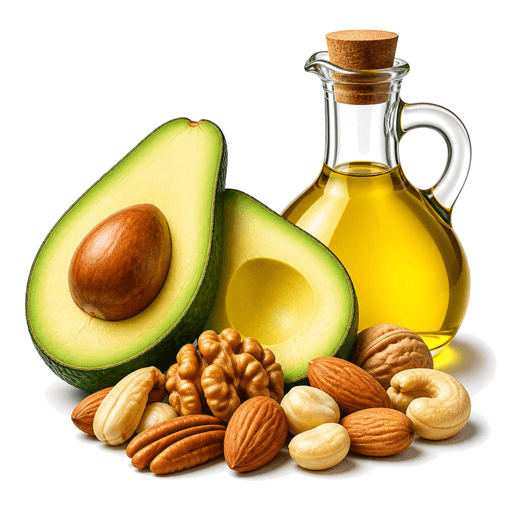
Fat Intake Calculator
Calculate daily dietary fat targets in grams from TDEE at 20–35% of calories—saturated fat limits, omega-3 guidance, per-meal splits, healthy fat food examples (Indian & global) & PDF export.
Triglyceride/HDL Ratio Calculator
Calculate triglyceride/HDL ratio from fasting lipids for cardiometabolic risk, insulin resistance screening, AHA lipid interpretation, and PDF export.
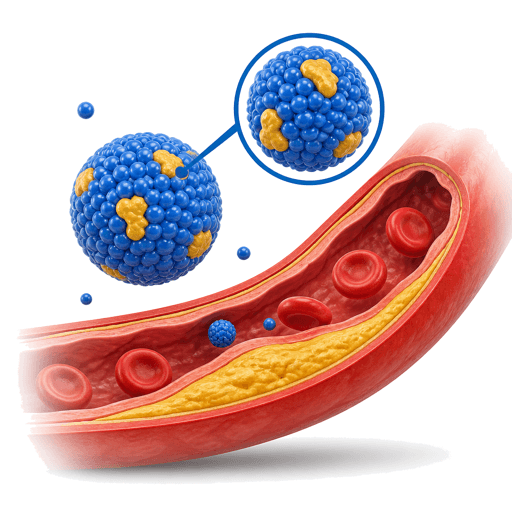
LDL Cholesterol Calculator (Friedewald)
Estimate LDL cholesterol from total cholesterol, HDL, and fasting triglycerides using the Friedewald formula—with AHA/ACC interpretation, non-HDL, and PDF export.
Non-HDL Cholesterol Calculator
Calculate non-HDL cholesterol from total cholesterol and HDL—with AHA/ACC interpretation, TC:HDL ratio, treatment targets, and PDF export. Valid at any triglyceride level.
Calculator Categories
Explore more free tools by health topic. Your calculator's category is highlighted below.
Heart & Metabolic Health
23 calculators
Browse categoryNutrition & Metabolism
31 calculators
Browse categoryBody Composition
16 calculators
Browse categoryFitness & Cardio
13 calculators
Browse categorySleep & Circadian Health
6 calculators
Browse categoryAging & Longevity
6 calculators
Browse categoryMental Wellbeing
4 calculators
Browse categoryWomen's Health
10 calculators
Browse categoryEnvironment & Lifestyle
6 calculators
Browse category