Triglyceride/HDL Ratio Calculator
Calculate the triglyceride/HDL cholesterol ratio from fasting lipid values. Enter mg/dL or mmol/L for cardiovascular risk, insulin resistance screening, and exportable results.
Enter your details — results appear below after you calculate.
Lipid values
Desirable: < 150 mg/dL (< 1.7 mmol/L) after 9–12 h fast
Protective: ≥ 60 mg/dL; low HDL: < 40 mg/dL (men)
“For me” saves to My Metrics when you’re signed in. “For other” only shows results.
Clinically reviewed methodology. Last reviewed July 2026.
Editorial policy →Source links for formulas and guidance are listed in Sources & Citations below.
How this triglyceride/HDL ratio calculator works
This tool computes the triglyceride/HDL ratio: Triglycerides (mg/dL) ÷ HDL cholesterol (mg/dL). A ratio below 2.0 is optimal; 2.0–3.0 is moderate; 3.0–5.0 is high; above 5.0 is very high cardiometabolic risk. The ratio is one of the strongest simple predictors of insulin resistance and coronary artery disease in population studies—especially for South Asians with normal LDL but elevated metabolic risk.
Enter fasting triglycerides and HDL cholesterol in mg/dL or mmol/L exactly as shown on your lipid panel (9–12 hour fast recommended). Select gender for HDL reference ranges and insulin resistance thresholds (≥ 3.5 men / ≥ 3.0 women). The calculator converts units internally before dividing.
Results include ratio category, individual triglyceride and HDL AHA/ACC status, insulin resistance flag, health score, risk level, clinical interpretation, lifestyle recommendations, and PDF export. Pair with our Cholesterol Level Interpreter, Metabolic Syndrome Risk, and Insulin Resistance (HOMA-IR) calculators for a complete lipid and metabolic picture.
This is an educational screening tool—not a diagnosis. Use fasting labs only. Seek urgent care if triglycerides exceed 500 mg/dL (pancreatitis risk). Never start or stop lipid medications based solely on calculator results. Scroll below for reference tables, worked examples screening guidance, and FAQs.
Triglyceride/HDL Ratio Calculator – Cardiometabolic Risk Index
Millions search "triglyceride HDL ratio calculator", "TG HDL ratio normal range", and "insulin resistance lipid ratio India" each year. The triglyceride/HDL ratio is a powerful yet simple index derived from your fasting lipid panel. By dividing triglycerides by HDL cholesterol, it captures atherogenic dyslipidemia—the combination of elevated triglycerides and low protective HDL that drives insulin resistance, metabolic syndrome, and cardiovascular disease. Our free calculator accepts values in mg/dL or mmol/L, converts internally, and returns ratio category, individual lipid status, insulin resistance screening, clinical interpretation, and exportable results.
Pair results with our Cholesterol Level Interpreter, Metabolic Syndrome Risk Calculator, and Insulin Resistance (HOMA-IR) Calculator for a complete picture of how your lipids affect heart health, diabetes risk, and long-term wellness.
Why Calculate the Triglyceride/HDL Ratio?
Total cholesterol and LDL alone miss a common pattern: normal LDL with high triglycerides and low HDL. This "South Asian lipid phenotype" affects an estimated 30–40% of urban Indian adults—even at normal BMI. The TG/HDL ratio condenses two key markers into one number that predicts coronary artery disease and insulin resistance as well as—or better than—individual lipid fractions in many epidemiologic studies (Gaziano et al., McLaughlin et al., and AHA lipid science reviews).
Unlike LDL, which requires a full lipid panel, the TG/HDL ratio needs only two values from a standard fasting blood test available at every Indian diagnostic lab for ₹300–800. It is especially valuable when LDL appears "normal" but metabolic risk remains hidden behind elevated waist circumference, prediabetes, or family history of early heart disease.
1What You Enter
Laboratory Values
- Fasting triglycerides — mg/dL or mmol/L
- HDL cholesterol — mg/dL or mmol/L
- TG/HDL ratio (computed automatically)
- Unit toggle — same system for both lipids
Personal Factors
- Gender — male or female (HDL cutoff & IR threshold differ)
- Fasting status — 9–12 hours recommended for TG
- Pair with LDL, glucose, waist for full picture
Example (High risk — man, 48)
TG 220 mg/dL, HDL 38 mg/dL → Ratio = 220 ÷ 38 = 5.79 — very high. High triglycerides, low HDL, insulin resistance flag (≥ 3.5 men). Urgent lifestyle and medical review advised.
Example (Optimal — woman, 32)
TG 90 mg/dL, HDL 62 mg/dL → Ratio = 90 ÷ 62 = 1.45 — optimal. Both lipids favorable, low cardiometabolic risk. Continue heart-healthy habits and routine screening.
2How the Ratio Is Calculated
Formula
TG/HDL Ratio = Triglycerides (mg/dL) ÷ HDL cholesterol (mg/dL)
Both values must use the same unit system. The numeric ratio is identical in mg/dL or mmol/L when both lipids share units. This calculator converts to mg/dL internally before dividing.
Unit conversions used
- Triglycerides mg/dL = mmol/L × 88.57
- HDL mg/dL = mmol/L × 38.67
Insulin resistance screening thresholds
- Men: ratio ≥ 3.5 suggests insulin resistance
- Women: ratio ≥ 3.0 suggests insulin resistance
- Optimal cardiometabolic target: ratio < 2.0
TG/HDL Ratio Risk Categories
| Category | Ratio | Risk profile | Typical action |
|---|---|---|---|
| Optimal | < 2.0 | Low cardiovascular & metabolic risk | Maintain lifestyle; recheck per guidelines |
| Moderate | 2.0–3.0 | Average risk | Diet, exercise, weight optimization |
| High | 3.0–5.0 | Elevated CVD & insulin resistance risk | Medical review; metabolic workup |
| Very high | > 5.0 | Strong metabolic syndrome signal | Prompt evaluation; consider pharmacotherapy |
Triglyceride & HDL Reference Ranges (AHA/ACC)
Individual lab values matter independently of the ratio. Use your laboratory's printed reference interval when available—the ranges below follow AHA/ACC lipid classification used globally including India.
| Marker | Optimal | Borderline | High | Very high |
|---|---|---|---|---|
| Triglycerides (mg/dL) | < 150 | 150–199 | 200–499 | ≥ 500 |
| Triglycerides (mmol/L) | < 1.7 | 1.7–2.2 | 2.3–5.6 | ≥ 5.6 |
| HDL — men (mg/dL) | ≥ 60 | 40–59 | < 40 | < 30 |
| HDL — women (mg/dL) | ≥ 60 | 50–59 | < 50 | < 35 |
TG/HDL vs LDL/HDL vs Total/HDL — Which Ratio Matters?
Multiple lipid ratios predict cardiovascular events. Each captures a different aspect of dyslipidemia. Using them together provides the fullest risk picture—especially for South Asians where LDL may appear acceptable while TG/HDL is elevated.
| Ratio | Formula | Best for | Optimal target |
|---|---|---|---|
| TG/HDL | TG ÷ HDL | Insulin resistance, atherogenic dyslipidemia, South Asian pattern | < 2.0 |
| LDL/HDL | LDL ÷ HDL | Artery plaque balance, statin treatment decisions | < 3.5 |
| Total/HDL | TC ÷ HDL | Overall cholesterol burden vs protection | < 4.5 |
Understanding Triglycerides and HDL Separately
The ratio is most informative when you understand each component. Triglycerides reflect dietary fat and carbohydrate metabolism; HDL reflects reverse cholesterol transport and cardiovascular protection.
Triglycerides
Triglycerides are the main form of dietary fat in blood. They rise after meals (hence fasting requirement), with excess refined carbs, alcohol, obesity, and insulin resistance. The liver packages excess calories as VLDL particles rich in triglycerides—when insulin resistance is present, this production increases while HDL falls.
- Lower fastest with carb/alcohol reduction (days to weeks)
- Omega-3 (2–4 g/day EPA/DHA) for TG ≥ 200 mg/dL
- Fibrates or prescription omega-3 for TG ≥ 500 mg/dL
- Metabolic syndrome criterion: ≥ 150 mg/dL (≥ 1.7 mmol/L)
HDL Cholesterol
HDL ("good" cholesterol) removes cholesterol from arteries back to the liver via reverse cholesterol transport. Higher HDL is generally protective. Low HDL removes this buffer and raises CVD risk even when LDL is normal—a hallmark of the South Asian lipid pattern and metabolic syndrome.
- Aerobic exercise raises HDL 5–15% within 8–12 weeks
- Smoking cessation raises HDL within 2–6 weeks
- Moderate alcohol may raise HDL—but worsens TG (avoid if TG high)
- Metabolic syndrome: < 40 men / < 50 women mg/dL
Worked Examples: Putting Numbers in Context
Example 1 — Optimal profile (young woman)
Fasting TG 85 mg/dL, HDL 58 mg/dL. Ratio = 85 ÷ 58 = 1.47 — optimal. Both lipids favorable, no insulin resistance flag. Continue Mediterranean-style diet and 150 min/week activity. Recheck every 4–6 years if no other risk factors.
Example 2 — South Asian pattern (normal BMI man)
BMI 23, waist 94 cm, TG 195 mg/dL, HDL 36 mg/dL, LDL 118 mg/dL. Ratio = 195 ÷ 36 = 5.42 — very high despite "normal" LDL and BMI. Classic atherogenic dyslipidemia. Insulin resistance flag active (≥ 3.5). Check fasting glucose, HbA1c, and metabolic syndrome criteria urgently.
Example 3 — Moderate risk after lifestyle slip
TG 168 mg/dL, HDL 48 mg/dL (man). Ratio = 168 ÷ 48 = 3.5 — borderline high/moderate. Borderline TG, low-normal HDL. Often reversible with 5–7% weight loss, cutting refined carbs and alcohol, and increasing aerobic exercise. Recheck in 8–12 weeks.
Example 4 — SI units (mmol/L)
Lab reports TG 2.5 mmol/L and HDL 1.0 mmol/L. Convert: TG = 2.5 × 88.57 = 221 mg/dL; HDL = 1.0 × 38.67 = 39 mg/dL. Ratio = 221 ÷ 39 = 5.67 — very high. This calculator performs these conversions automatically when you select mmol/L.
Example 5 — Pancreatitis risk (very high TG)
TG 680 mg/dL, HDL 32 mg/dL. Ratio = 680 ÷ 32 = 21.25— extreme. Triglycerides ≥ 500 mg/dL carry acute pancreatitis risk regardless of ratio. Seek prompt medical evaluation—not just lifestyle advice. Fibrate or prescription omega-3 therapy typically indicated.
Insulin Resistance & the South Asian Lipid Pattern
The TG/HDL ratio is a validated surrogate for insulin resistance, correlating with HOMA-IR and euglycemic clamp studies. Thresholds: ≥ 3.5 in men and ≥ 3.0 in women. South Asians frequently show high TG, low HDL, and elevated ratio at normal weight—a pattern linked to 2–4× higher diabetes and heart disease rates compared to Europeans at the same BMI. Waist circumference plus TG/HDL ratio is often more informative than BMI alone in this population.
High vs Optimal Ratio: Clinical Patterns
High ratio (≥ 3.0) — common causes
- Insulin resistance and prediabetes
- Metabolic syndrome (≥ 3 of 5 criteria)
- Excess refined carbohydrates and sugary drinks
- Regular alcohol consumption
- Central obesity (high waist even at normal BMI)
- Physical inactivity and sedentary lifestyle
- Polycystic ovary syndrome (PCOS)
- Hypothyroidism (raises TG, lowers HDL)
Optimal ratio (< 2.0) — typical profile
- Regular aerobic and resistance exercise
- Mediterranean or whole-food plant-forward diet
- Normal fasting glucose and waist circumference
- Non-smoker with moderate alcohol or none
- Healthy body weight and insulin sensitivity
- TG < 150 mg/dL and HDL in protective range
Medications & Conditions That Alter the Ratio
Many drugs and medical conditions shift triglycerides and HDL independently, changing the ratio even when diet is unchanged. Always review medications and comorbidities before attributing an abnormal ratio to lifestyle alone.
Raises triglycerides (increases ratio)
- Beta-blockers (non-selective), thiazide diuretics
- Corticosteroids, estrogen at high doses
- Retinoids, protease inhibitors (HIV), atypical antipsychotics
- Excess alcohol, uncontrolled diabetes
- Hypothyroidism, nephrotic syndrome
- High-dose oral contraceptives (some formulations)
Lowers HDL (increases ratio)
- Smoking — one of the strongest HDL suppressors
- Beta-blockers (without intrinsic sympathomimetic activity)
- Anabolic steroids, progestins
- Sedentary lifestyle and central obesity
- High-carbohydrate diets with low physical activity
- Uncontrolled type 2 diabetes
Improves ratio (medical therapy)
- Statins — lower TG modestly, raise HDL slightly
- Fibrates (fenofibrate) — strong TG reduction
- Prescription omega-3 (icosapent ethyl) — lowers TG
- Metformin — improves insulin sensitivity, lowers TG
- GLP-1 agonists — weight loss, TG reduction, HDL improvement
- Niacin — raises HDL significantly (limited use due to side effects)
Medical conditions to evaluate
- Type 2 diabetes and prediabetes
- Non-alcoholic fatty liver disease (NAFLD)
- Hypothyroidism — check TSH if ratio unexpectedly high
- Polycystic ovary syndrome (PCOS)
- Chronic kidney disease — affects lipoprotein metabolism
- Cushing syndrome — central obesity, high TG
Lifestyle Strategies to Improve Your Ratio
Evidence shows 5–10% body weight loss, dietary changes, and regular exercise can lower TG by 20–30% and raise HDL by 5–15% within 8–12 weeks—often shifting the ratio from high to moderate or optimal without medication.
Diet — Indian context
- Replace white rice with brown rice, millets, or quinoa
- Limit maida, paratha, sweets, mithai, and sugary chai
- Increase dal, chana, rajma, and vegetable portions
- Add oats, barley, and psyllium husk (isabgol) for soluble fiber
- Choose fatty fish (rohu, salmon) or alsi/walnut omega-3
- Strictly limit alcohol — major TG driver in Indian men
- Use mustard or olive oil; moderate ghee and coconut oil
Activity, weight & habits
- 150–300 min/week moderate aerobic (brisk walk, cycling, swim)
- Resistance training 2×/week — improves insulin sensitivity
- Target 5–10% body weight loss if BMI ≥ 23 (Asian cutoff)
- Quit smoking — HDL rises within 2–6 weeks of cessation
- Manage stress and sleep — cortisol worsens insulin resistance
- Recheck fasting lipids 8–12 weeks after sustained changes
Lipid Screening in India — When to Test
ICMR and Cardiological Society of India (CSI) align with AHA/ACC lipid targets. Given high dyslipidemia prevalence, earlier and more frequent screening is prudent for South Asians—especially with any metabolic risk factor.
| Population | When to start | Frequency |
|---|---|---|
| Healthy adults, no risk factors | Age 20+ | Every 4–6 years |
| Risk factors (obesity, smoking, family history) | Age 20+ (earlier if strong FH) | Every 1–2 years |
| South Asian adults (general) | Age 20–30 | Every 2–3 years minimum |
| Diabetes, hypertension, or on statins | At diagnosis | Every 6–12 months |
| After lifestyle or drug changes | 6–12 weeks post-change | Then per risk category |
Cost at Indian labs: basic lipid panel ₹300–800; full health checkup packages ₹1,500–5,000. Government schemes (NPCDCS) offer free screening in many districts. Corporate health camps frequently include fasting lipids.
When to See a Doctor — Warning Signs
Seek urgent care if you have
- Triglycerides ≥ 500 mg/dL (pancreatitis risk)
- Severe upper abdominal pain radiating to back
- Chest pain, pressure, or shortness of breath
- Sudden weakness, speech difficulty (stroke signs)
- Nausea and vomiting with very high TG on recent labs
Schedule medical review if
- TG/HDL ratio ≥ 3.0 persisting on repeat fasting labs
- HDL below sex-specific threshold despite lifestyle changes
- Triglycerides ≥ 200 mg/dL on two occasions
- Family history of heart attack or stroke before age 55
- Diabetes, hypertension, or waist > 90 cm (men) / 80 cm (women)
- Ratio not improving after 3 months of dedicated lifestyle change
Limitations of the TG/HDL Ratio
Despite strong epidemiologic support, the ratio has important limitations. Understanding when it misleads prevents overconfidence in a single number.
- Does not measure LDL — favorable ratio with elevated LDL still carries plaque risk. Always check full lipid panel.
- Fasting dependent — non-fasting TG inflates the ratio by 20–30%; results are unreliable without 9–12 hour fast.
- Acute illness — infections, surgery, and pregnancy temporarily alter lipids; defer interpretation until recovery.
- Medications — statins, fibrates, and hormones change the ratio independent of underlying metabolic health.
- Not a diabetes diagnostic — high ratio suggests insulin resistance but does not confirm prediabetes; check glucose and HbA1c.
- Genetic HDL elevation — very high HDL from rare genetic variants may not confer expected protection; ratio alone can look deceptively optimal.
- Single time point — one ratio snapshot is less valuable than trends after lifestyle intervention or treatment.
The Science Behind the TG/HDL Ratio
Triglyceride-rich VLDL particles compete with HDL for lipolytic enzymes. When insulin resistance increases hepatic VLDL production, triglycerides rise while HDL falls—creating the atherogenic dyslipidemia triad (high TG, low HDL, small dense LDL). The TG/HDL ratio captures this metabolic shift in a single dimensionless number.
Large cohort studies (Framingham Offspring, ARIC, and South Asian diaspora analyses) show TG/HDL ratio predicts incident coronary heart disease independently of LDL in many subgroups. McLaughlin et al. demonstrated strong correlation with insulin resistance measured by euglycemic clamp. The ratio also predicts small dense LDL phenotype without advanced lipoprotein testing—making it a practical bedside and community screening tool.
Who benefits most from TG/HDL screening
- South Asians with normal LDL but metabolic risk factors
- Adults with central obesity or prediabetes
- Women with PCOS or gestational diabetes history
- Anyone with metabolic syndrome components
- Patients monitoring lifestyle intervention response
- Health-conscious adults seeking early risk stratification
Recommended follow-up tests
- Full lipid panel — total, LDL, HDL, TG (₹300–800)
- Fasting glucose and HbA1c — diabetes screening
- Blood pressure and waist circumference
- Liver function tests — fatty liver overlap
- TSH — if hypothyroidism suspected
- ApoB or Lp(a) — advanced risk if family history strong
Common Mistakes to Avoid
1. Using non-fasting triglycerides
Post-meal triglycerides can be 20–30% higher, artificially inflating the ratio. Always use a 9–12 hour fasting sample.
2. Mixing unit systems
Never divide mg/dL triglycerides by mmol/L HDL without conversion. Use this calculator to enter values exactly as on your lab report.
3. Ignoring LDL when ratio is favorable
A good TG/HDL ratio does not guarantee low LDL. Some patients have optimal ratio but elevated LDL—check the full lipid panel.
4. Self-prescribing lipid medications
Statins, fibrates, and high-dose omega-3 require medical supervision. Very high triglycerides (≥ 500 mg/dL) need urgent evaluation for pancreatitis risk.
5. Relying on ratio alone without waist and glucose
Metabolic syndrome requires multiple criteria. A borderline ratio with elevated waist and fasting glucose confirms higher risk than any single marker.
6. Expecting overnight improvement
Meaningful TG/HDL improvement typically takes 8–12 weeks of sustained diet and exercise. Recheck too early and you may underestimate progress.
Frequently Asked Questions (FAQs)
Related Calculators
You might also be interested in these related health and wellness calculators:

Metabolic Syndrome Risk Calculator
Screen metabolic syndrome with all 5 harmonized criteria—waist, triglycerides, HDL, blood pressure and fasting glucose. Asian waist cutoffs, diet tips, exercise guidance and lab recommendations.
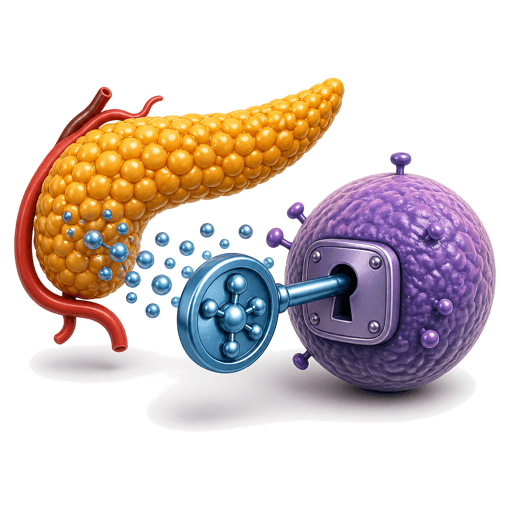
Insulin Resistance (HOMA-IR) Calculator
Calculate HOMA-IR from fasting glucose and fasting insulin to estimate insulin resistance. Get category, HOMA-β, and educational guidance for metabolic health.

Type 2 Diabetes Risk Assessment Calculator
Assess type 2 diabetes risk using the Indian Diabetes Risk Score (IDRS). Enter age, waist, family history, activity, and clinical history. Low to Very High risk with PDF export.

Cardiovascular Risk Calculator
Estimate heart disease and stroke screening risk from blood pressure, cholesterol, smoking, diabetes, family history, and activity. Educational score with risk domains—not formal ASCVD.
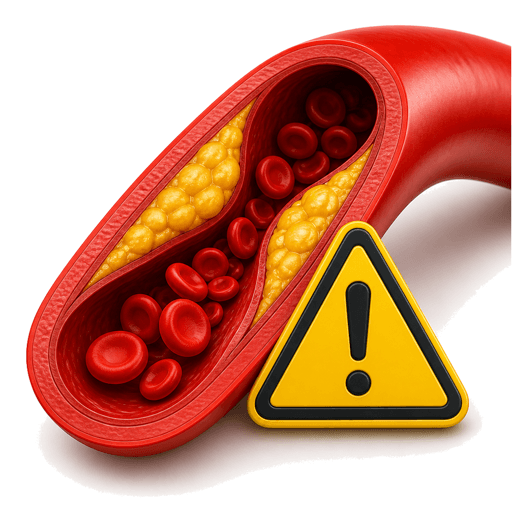
Cholesterol Level Interpreter & Heart Risk Calculator
Interpret cholesterol with AHA/ACC lipid thresholds, color-coded marker cards, LDL:HDL and Total:HDL ratios, cardiovascular risk classification, and personalized diet & exercise recommendations.
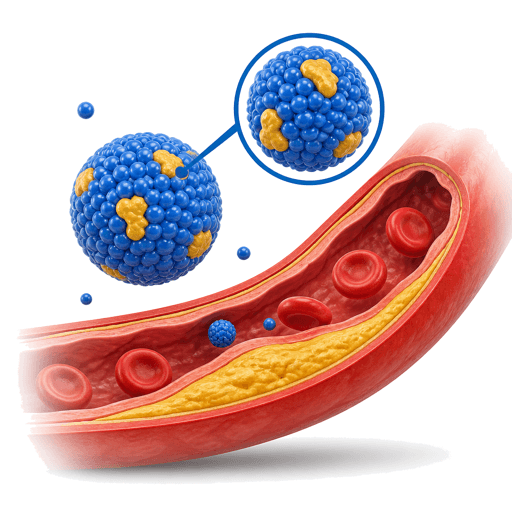
LDL Cholesterol Calculator (Friedewald)
Estimate LDL cholesterol from total cholesterol, HDL, and fasting triglycerides using the Friedewald formula—with AHA/ACC interpretation, non-HDL, and PDF export.

Non-HDL Cholesterol Calculator
Calculate non-HDL cholesterol from total cholesterol and HDL—with AHA/ACC interpretation, TC:HDL ratio, treatment targets, and PDF export. Valid at any triglyceride level.

Atherogenic Index of Plasma (AIP) Calculator
Calculate AIP (log₁₀ TG/HDL in mmol/L) from fasting lipids for log-based atherogenic risk, Dobiášová classification, insulin resistance screening, and PDF export.
Calculator Categories
Explore more free tools by health topic. Your calculator's category is highlighted below.
Heart & Metabolic Health
23 calculators
Browse categoryNutrition & Metabolism
31 calculators
Browse categoryBody Composition
16 calculators
Browse categoryFitness & Cardio
13 calculators
Browse categorySleep & Circadian Health
6 calculators
Browse categoryAging & Longevity
6 calculators
Browse categoryMental Wellbeing
4 calculators
Browse categoryWomen's Health
10 calculators
Browse categoryEnvironment & Lifestyle
6 calculators
Browse category