ApoB Heart Risk Calculator
Interpret your ApoB (apolipoprotein B) lab result for atherogenic particle risk, ESC/EAS treatment targets, optional LDL discordance check, and PDF export.
Enter your details — results appear below after you calculate.
About you
Ages 18–100 — used for sex- and age-adjusted percentile
ApoB lab value
Optimal: < 60 mg/dL · Near-optimal: 80–99 · Borderline high: ≥ 100 mg/dL
Optional — detects ApoB–LDL particle mismatch
General: target ApoB < 100 · Elevated (diabetes, smoker, FH): < 80 · Very high (prior ASCVD): < 65 mg/dL
“For me” saves to My Metrics when you’re signed in. “For other” only shows results.
Clinically reviewed methodology. Last reviewed July 2026.
Editorial policy →Source links for formulas and guidance are listed in Sources & Citations below.
How this ApoB heart risk calculator works
Enter your age and sex for sex- and age-adjusted population percentile, then your ApoB (apolipoprotein B) lab value in mg/dL or g/L exactly as reported (1 g/L = 100 mg/dL). ApoB counts atherogenic lipoprotein particles—one ApoB per LDL, VLDL, IDL, and Lp(a) particle. Clinical categories: < 60 optimal, 60–79 desirable, 80–99 near-optimal, 100–119 borderline high, 120–139 high, ≥ 140 very high mg/dL.
Optionally add LDL cholesterol (mg/dL) to detect ApoB–LDL discordance—when particle count exceeds what LDL alone suggests (common in metabolic syndrome and South Asian dyslipidemia). Select your risk profile for ESC/EAS-inspired treatment targets: general < 100, elevated < 80, very high < 65 mg/dL.
Results include ApoB category, population percentile vs U.S. adults (NHANES reference; median ~88 mg/dL), heart risk level, treatment target gap, discordance flag, particle burden note, interpretation, insights, recommendations, and PDF export. Pair with our LDL, Non-HDL, TG/HDL, and ASCVD calculators.
ApoB Heart Risk Calculator — Apolipoprotein B Interpretation, Population Percentile, Targets & LDL Discordance Guide
Millions search "ApoB test", "apolipoprotein B normal range", "ApoB vs LDL", and "ApoB target mg/dL" each year — yet most standard lipid panels still report only LDL, HDL, and triglycerides. ApoB (apolipoprotein B) counts every atherogenic lipoprotein particle in your blood—LDL, VLDL, IDL, and Lp(a). Unlike LDL cholesterol alone, ApoB reflects how many plaque-forming particles you carry, not just cholesterol mass. Our free ApoB Heart Risk Calculator interprets your lab value in mg/dL or g/L, assigns clinical risk bands, population percentile (NHANES reference), ESC/EAS-inspired treatment targets, optional ApoB–LDL discordance analysis, and PDF export.
Pair with our LDL Calculator, Non-HDL Calculator, TG/HDL Ratio, Atherogenic Index of Plasma (AIP), and ASCVD Risk Calculator for a complete cardiovascular risk picture.
Whether your doctor ordered ApoB after a borderline LDL, you are tracking residual risk on statins, or you want to understand South Asian atherogenic dyslipidemia (normal LDL with high particle count), this calculator gives structured, evidence-based interpretation you can bring to your next visit.
What Is ApoB and Why Does Particle Count Matter?
Each LDL, VLDL, IDL, and Lp(a) particle contains exactly one ApoB protein molecule. Measuring ApoB is therefore equivalent to counting atherogenic particles — a stronger predictor of heart attack and stroke than LDL-C alone in many high-risk groups, especially when triglycerides are elevated, in metabolic syndrome, type 2 diabetes, or on statins with residual risk.
Think of it this way: LDL cholesterol measures cargo weight inside trucks; ApoB counts how many trucks are on the road. Two people with identical LDL-C can have very different ApoB if one has many small, cholesterol-depleted LDL particles (common with insulin resistance) and the other has fewer, larger particles.
1What You Enter
Required lab value
- ApoB — mg/dL or g/L (toggle matches your lab report)
- Conversion: 1 g/L = 100 mg/dL (e.g. 0.85 g/L = 85 mg/dL)
- ApoB can be measured fasting or non-fasting
Optional inputs
- LDL cholesterol (mg/dL) — enables ApoB–LDL discordance check
- Risk profile — general, elevated, or very high (sets treatment target)
Example — Optimal ApoB (healthy adult)
ApoB 72 mg/dL (0.72 g/L), LDL 95 mg/dL, general risk profile. Category: optimal. Population percentile: ~25th (below median ~88 mg/dL). Treatment target < 100 mg/dL — met. Low atherogenic particle burden.
Example — Discordance (South Asian pattern)
ApoB 108 mg/dL, LDL 88 mg/dL. LDL looks "normal" but ApoB is elevated — classic discordance from small dense LDL and high triglycerides. Calculator flags hidden particle risk; pair with TG/HDL ratio.
2How ApoB Is Interpreted
The calculator assigns an ApoB category, heart risk level, health score (0–100), population percentile vs U.S. adults (NHANES-based reference knots), treatment target gap, particle burden note, interpretation, insights, and lifestyle/medical recommendations.
ApoB (g/L) = ApoB (mg/dL) ÷ 100
Discordance is flagged when ApoB ≥ LDL + 30 mg/dL, or when ApoB ≥ 100 mg/dL with LDL < 100 mg/dL — suggesting particle count exceeds what LDL cholesterol alone indicates.
ApoB reference ranges (clinical categories)
| Category | mg/dL | g/L | Typical action |
|---|---|---|---|
| Optimal | < 60 | < 0.60 | Maintain lifestyle; routine screening |
| Desirable | 60–79 | 0.60–0.79 | Favorable; continue heart-healthy habits |
| Near-optimal | 80–99 | 0.80–0.99 | Below 100 mg/dL target for many adults |
| Borderline high | 100–119 | 1.00–1.19 | Lifestyle + ASCVD risk review |
| High | 120–139 | 1.20–1.39 | Medical review; lipid-lowering therapy |
| Very high | ≥ 140 | ≥ 1.40 | Aggressive treatment; screen for FH |
Population percentile reference (NHANES adult estimate)
Lower percentile = fewer atherogenic particles than peers. Median U.S. adult ApoB is approximately 88 mg/dL (~50th percentile). Values below 42 mg/dL are capped at ~1st percentile in this educational model.
| Percentile | ApoB (mg/dL) | Meaning |
|---|---|---|
| 1st | ~42 | Very low particle burden vs population |
| 5th | ~55 | Favorable — well below median |
| 25th | ~72 | Below average atherogenic particles |
| 50th (median) | ~88 | Typical U.S. adult |
| 75th | ~104 | Above median — elevated vs peers |
| 90th | ~118 | High vs population distribution |
| 95th | ~130 | Top 5% particle burden |
| 99th | ~165 | Extreme — clinical review essential |
Treatment targets by risk profile (ESC/EAS-inspired)
| Risk profile | ApoB target | Who qualifies |
|---|---|---|
| General | < 100 mg/dL (< 1.00 g/L) | Low–moderate ASCVD risk; primary prevention |
| Elevated | < 80 mg/dL (< 0.80 g/L) | Diabetes, smoker, strong FH, high TG, metabolic syndrome |
| Very high | < 65 mg/dL (< 0.65 g/L) | Prior MI/stroke, established ASCVD, FH with events |
Classification (optimal vs elevated) describes your current level. Treatment targets depend on overall cardiovascular risk — a borderline ApoB of 95 mg/dL may be acceptable in low-risk young adults but above target for someone with prior heart attack.
LDL vs Non-HDL vs ApoB — Which Marker When?
| Marker | Measures | Best for | Limitation |
|---|---|---|---|
| LDL-C | Cholesterol in LDL particles | Primary treatment target; widespread screening | Misses particle number; inaccurate when TG high |
| Non-HDL-C | Total − HDL (all apoB particle cholesterol) | Elevated TG; no fasting; AHA/ACC co-primary target | Does not count particles directly |
| ApoB | Atherogenic particle count (lab assay) | Discordance; residual risk on statins; metabolic syndrome | Extra cost; not on standard panels (₹800–2000 India) |
| Lp(a) | Genetic lipoprotein(a) level | Family history of early heart disease; FH screening | Largely genetic; measured once in lifetime |
Understanding ApoB–LDL Discordance
Discordance means your ApoB (particle count) is higher than your LDL cholesterol would suggest. This pattern is especially common in South Asians, people with metabolic syndrome, type 2 diabetes, and high triglycerides — where small dense LDL particles carry less cholesterol each but still drive atherosclerosis.
Concordant (aligned) — lower concern
ApoB 85 mg/dL, LDL 82 mg/dL. Particle count and LDL agree — LDL is a reasonable proxy. Continue routine monitoring.
Discordant — hidden risk
ApoB 115 mg/dL, LDL 92 mg/dL. LDL looks borderline but particle count is high. Statin decisions should consider ApoB, not LDL alone. Check TG/HDL ratio and insulin resistance markers.
Rule of thumb: ApoB (mg/dL) is often similar to non-HDL (mg/dL) in concordant profiles. When ApoB exceeds non-HDL by more than ~10–15 mg/dL, particle enrichment (small dense LDL) is likely.
When ApoB Testing Is Most Valuable
Strong indications for ApoB
- Normal LDL but high triglycerides or low HDL
- Metabolic syndrome or prediabetes/diabetes
- Family history of early heart attack or stroke
- Residual cardiovascular events despite statin therapy
- South Asian atherogenic dyslipidemia pattern
- LDL and non-HDL give conflicting risk signals
- Familial hypercholesterolemia (FH) screening adjunct
When standard lipids suffice
- Young, low-risk adult with optimal LDL and non-HDL
- No metabolic syndrome; triglycerides < 150 mg/dL
- Primary prevention with clear LDL-guided treatment plan
- Cost or access limits — use our Non-HDL Calculator instead
Worked Examples: ApoB in Practice
Example 1 — Very low ApoB (athlete, optimal lipids)
ApoB 30 mg/dL (0.30 g/L). Category: optimal. Population percentile: ~1st — lower than ~99% of U.S. adults. Treatment target < 100 mg/dL — met with large margin. Excellent particle burden; maintain diet and activity.
Example 2 — Borderline ApoB on statin (residual risk)
ApoB 98 mg/dL, LDL 78 mg/dL on atorvastatin 40 mg. LDL at goal but ApoB still borderline — residual particle risk. Very high risk profile target < 65 mg/dL — not met. Discuss ezetimibe or PCSK9 inhibitor with cardiologist.
Example 3 — SI units (g/L lab report)
ApoB 1.15 g/L = 115 mg/dL. Category: high. Percentile ~92nd. Elevated risk profile target < 80 mg/dL — 35 mg/dL above target. Lifestyle plus lipid-lowering therapy indicated; recheck in 8–12 weeks.
Example 4 — Post-MI very high risk
ApoB 72 mg/dL, prior MI, very high risk profile. Target < 65 mg/dL — not met (7 mg/dL gap). LDL may look good at 55 mg/dL but particles still above aggressive ESC/EAS goal. Intensify therapy per cardiology guidelines.
How to Lower ApoB — Lifestyle & Medical Options
Diet (Indian & global context)
- Mediterranean-style pattern: dal, vegetables, whole grains, fish
- Reduce saturated fat — limit ghee, butter, red meat, fried snacks
- Soluble fiber: oats, psyllium (isabgol), legumes — lowers ApoB 5–10%
- Plant sterols/stanols 2 g/day from fortified foods or supplements
- Replace vanaspati and packaged trans fats with mustard/olive oil
- Weight loss 5–10% if overweight — significant ApoB reduction
Activity & medical therapy
- 150+ min/week moderate aerobic exercise + resistance training
- Statins: typically lower ApoB 30–50%
- Ezetimibe: additional 15–20% ApoB reduction
- PCSK9 inhibitors: 50–60% reduction for very high risk
- Omega-3 (EPA) for high TG; treat insulin resistance
- Recheck ApoB 6–12 weeks after any therapy change
Expected ApoB reduction by intervention
| Intervention | Typical ApoB ↓ | Notes |
|---|---|---|
| Mediterranean diet + weight loss | 10–25% | Largest gains if metabolic syndrome present |
| Moderate-intensity statin | 30–40% | First-line pharmacotherapy |
| High-intensity statin | 40–50% | ASCVD or very high LDL |
| Statin + ezetimibe | 50–55% | When statin alone insufficient |
| PCSK9 inhibitor | 50–60% | Very high risk, statin-intolerant, or FH |
| Soluble fiber 10 g/day | 5–10% | Adjunct to diet and meds |
ApoB Testing in India — Cost, Labs & Ordering
ApoB is not included in basic lipid panels (₹300–800). Request it specifically or choose an advanced cardiovascular panel. Major chains (Thyrocare, Dr Lal PathLabs, SRL, Metropolis) charge approximately ₹800–2000 for standalone ApoB. Bundled panels with Lp(a), hs-CRP, and homocysteine run ₹1500–4000. No fasting is strictly required for ApoB alone, but fasting 9–12 hours is still recommended if triglycerides are measured on the same draw for Friedewald LDL.
Bring your calculator PDF to your cardiologist or lipid specialist — it summarizes category, percentile, treatment target gap, discordance flag, and recommendations in one shareable report.
Frequently Asked Questions
Related Calculators
You might also be interested in these related health and wellness calculators:
Insulin Resistance (HOMA-IR) Calculator
Calculate HOMA-IR from fasting glucose and fasting insulin to estimate insulin resistance. Get category, HOMA-β, and educational guidance for metabolic health.
ASCVD 10-Year Risk Calculator
Calculate 10-year ASCVD risk using validated 2013 ACC/AHA Pooled Cohort Equations. Estimate heart attack, stroke, and coronary death risk with ACC/AHA categories and statin guidance.
Cardiovascular Risk Calculator
Estimate heart disease and stroke screening risk from blood pressure, cholesterol, smoking, diabetes, family history, and activity. Educational score with risk domains—not formal ASCVD.
Cholesterol Level Interpreter & Heart Risk Calculator
Interpret cholesterol with AHA/ACC lipid thresholds, color-coded marker cards, LDL:HDL and Total:HDL ratios, cardiovascular risk classification, and personalized diet & exercise recommendations.
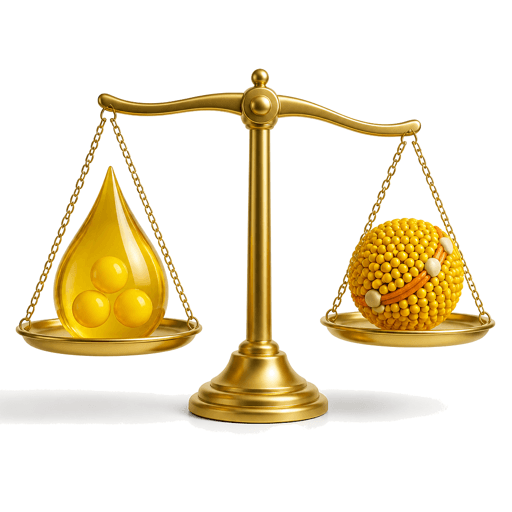
Triglyceride/HDL Ratio Calculator
Calculate triglyceride/HDL ratio from fasting lipids for cardiometabolic risk, insulin resistance screening, AHA lipid interpretation, and PDF export.
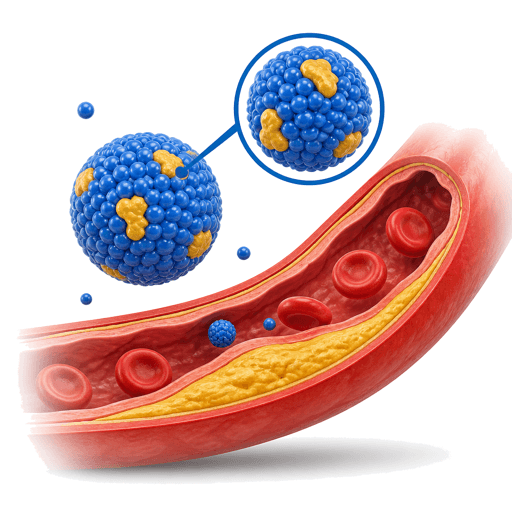
LDL Cholesterol Calculator (Friedewald)
Estimate LDL cholesterol from total cholesterol, HDL, and fasting triglycerides using the Friedewald formula—with AHA/ACC interpretation, non-HDL, and PDF export.
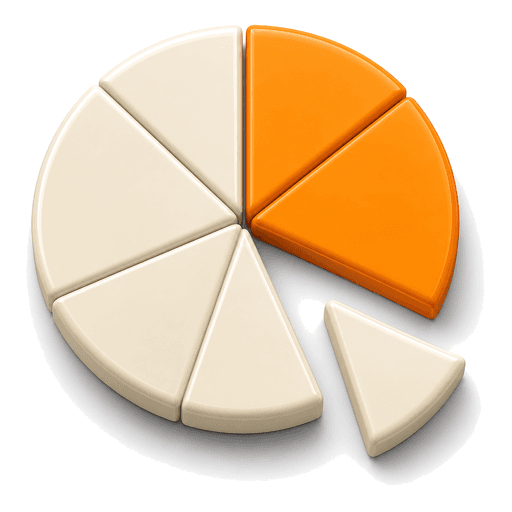
Non-HDL Cholesterol Calculator
Calculate non-HDL cholesterol from total cholesterol and HDL—with AHA/ACC interpretation, TC:HDL ratio, treatment targets, and PDF export. Valid at any triglyceride level.
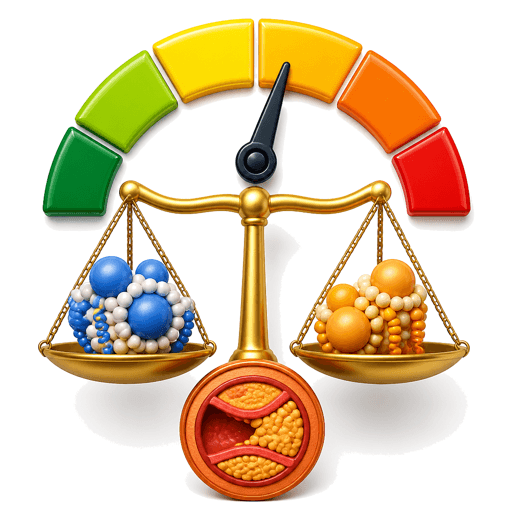
Atherogenic Index of Plasma (AIP) Calculator
Calculate AIP (log₁₀ TG/HDL in mmol/L) from fasting lipids for log-based atherogenic risk, Dobiášová classification, insulin resistance screening, and PDF export.
Calculator Categories
Explore more free tools by health topic. Your calculator's category is highlighted below.
Heart & Metabolic Health
23 calculators
Browse categoryNutrition & Metabolism
31 calculators
Browse categoryBody Composition
16 calculators
Browse categoryFitness & Cardio
13 calculators
Browse categorySleep & Circadian Health
6 calculators
Browse categoryAging & Longevity
6 calculators
Browse categoryMental Wellbeing
4 calculators
Browse categoryWomen's Health
10 calculators
Browse categoryEnvironment & Lifestyle
6 calculators
Browse category