Menopause Symptom Calculator
Free menopause symptom calculator using the validated Menopause Rating Scale (MRS): rate hot flushes, mood, sleep, urogenital symptoms, get severity score, subscale breakdown, lifestyle tips, HRT guidance, and PDF export — am I in menopause?
Enter your details — results appear below after you calculate.
Your profile
Designed for women aged 35–70
Vasomotor & physical symptoms
Rate each symptom: None, Mild, Moderate, or Severe
Mood & psychological symptoms
Urogenital symptoms
Other health factors
Check any conditions that may overlap with or worsen menopause symptoms
“For me” saves to My Metrics when you’re signed in. “For other” only shows results.
Clinically reviewed methodology. Last reviewed July 2026.
Editorial policy →Source links for formulas and guidance are listed in Sources & Citations below.
How this Menopause Symptom Calculator works
Enter your age, menopause stage (premenopause, perimenopause, postmenopause, or surgical menopause), symptom duration, life impact, and HRT status. Rate each of 11 core symptoms—hot flushes, heart discomfort, sleep problems, mood changes, anxiety, exhaustion, sexual problems, bladder issues, vaginal dryness, and joint discomfort—on a None to Severe scale.
We apply the validated Menopause Rating Scale (MRS) scoring system across three subscales: somatic/vasomotor, psychological, and urogenital. Results include your MRS-equivalent score (0–44), overall burden level (Minimal, Mild, Moderate, Severe), subscale breakdown, top symptoms, lifestyle strategies, HRT and non-hormonal treatment options, and doctor-visit guidance. Moderate or severe burden prompts a see a specialist recommendation.
Scroll below for in-depth guides on all 11 MRS symptoms, perimenopause stages, HRT and non-hormonal treatment tables, lifestyle strategies, bone and heart health, clinical context, worked examples, common myths, and 12 FAQs. For related tools, try our Period & Menstrual Cycle Calculator, Thyroid Risk Calculator, and Iron Deficiency / Anemia Risk Calculator.
Menopause Symptom Calculator – MRS Score, Hot Flushes, Perimenopause India & HRT Guidance
Millions search "menopause symptom calculator", "am I in menopause", "perimenopause symptoms checker", "hot flush severity scale", and "menopause rating scale India" each year. In India, the average age of natural menopause is approximately 46–47 years—yet menopause remains underdiscussed, undertreated, and often dismissed as "just ageing." Our free Menopause Symptom Calculator uses the internationally validated Menopause Rating Scale (MRS) to score 11 core symptoms across somatic, psychological, and urogenital domains, classify your burden level, and provide lifestyle strategies, HRT guidance, and doctor-visit recommendations tailored for Indian women.
Pair results with our Period & Menstrual Cycle Calculator, Thyroid Risk Calculator, Iron Deficiency / Anemia Risk Calculator, and Vitamin D Deficiency Calculator for a complete women's health picture—many menopause symptoms overlap with thyroid, anaemia, and vitamin D deficiency.
Why Assess Menopause Symptoms?
Menopause marks the end of reproductive years when ovarian oestrogen and progesterone production decline. The transition— perimenopause—can last 4–8 years with fluctuating hormones causing hot flushes, sleep disruption, mood changes, vaginal dryness, bladder urgency, and joint pain. Up to 80% of women worldwide experience vasomotor symptoms; in India, cultural stigma and limited menopause specialist access mean many women suffer silently for years without treatment.
Quantifying symptoms with the MRS helps you and your doctor track severity over time, evaluate treatment response, and decide whether lifestyle changes, HRT, or non-hormonal medications are appropriate. Effective treatment can reduce hot flushes by 70–90% in many women—there is no need to endure severe symptoms. This calculator is educational—it does not replace medical diagnosis or personalised risk assessment.
1What You Enter
Profile & context
- Age — 35–70 years (menopause transition window)
- Menopause stage — premenopause, perimenopause, postmenopause, surgical, or unsure
- Months since last period — optional, for cycle tracking during perimenopause
- Symptom duration — less than 3 months, 3–12 months, or more than 12 months
- Life impact — minimal to severe effect on work, sleep, and relationships
- HRT status — current, past, considering, or not using hormone therapy
11 MRS symptoms (None → Severe)
- Somatic: hot flushes/night sweats, heart discomfort, sleep problems, joint discomfort
- Psychological: depressive mood, irritability, anxiety, exhaustion
- Urogenital: sexual problems, bladder issues, vaginal dryness
- Comorbidities: thyroid disorder, depression/anxiety history, diabetes, osteoporosis
Example (Moderate burden — woman, 48, Delhi)
Age 48, perimenopause, moderate hot flushes + night sweats, irritability, sleep problems, mild vaginal dryness, 6 months duration, moderate life impact, not on HRT → Moderate MRS burden (~12/44), somatic subscale dominant, doctor consultation recommended.
Example (Minimal burden — woman, 52, postmenopause)
Age 52, postmenopause (18 months no period), occasional mild joint aches only, minimal life impact → Minimal burden (MRS ~3/44), lifestyle maintenance sufficient.
2How Scoring Works (MRS)
Each of the 11 symptoms is scored 0 (none) to 3 (severe). The total is converted to an MRS-equivalent score out of 44 for comparison with clinical research and menopause clinics worldwide. Three subscales are calculated independently.
| MRS score | Burden level | Typical action |
|---|---|---|
| 0–4 | Minimal / none | Monitor; maintain healthy lifestyle |
| 5–8 | Mild | Lifestyle strategies; reassess in 6–8 weeks |
| 9–16 | Moderate | Medical consultation recommended |
| 17+ | Severe | Prompt specialist review; consider HRT |
MRS subscales — what each measures
| Subscale | Symptoms included | Max score |
|---|---|---|
| Somatic / vasomotor | Hot flushes, heart discomfort, sleep problems, joint discomfort | 12 |
| Psychological / mood | Depressive mood, irritability, anxiety, exhaustion | 12 |
| Urogenital | Sexual problems, bladder problems, vaginal dryness | 9 |
3What You Get in Your Report
- Menopause symptom burden level — Minimal, Mild, Moderate, or Severe with colour-coded hero display
- MRS-equivalent score (0–44) for clinical comparability
- Three subscale breakdowns — somatic, psychological, urogenital with percentage bars
- Dominant symptom area — which subscale drives your score most
- Most bothersome symptoms — ranked by severity
- Lifestyle strategies — personalised to your dominant subscale (hot flush tips, mood support, urogenital care)
- Treatment options — HRT, non-hormonal medications, CBT, local oestrogen to discuss with your doctor
- When to see a doctor — tailored red flags and urgency guidance
- See a specialist prompt — shown for moderate/severe burden or significant life impact
- Interpretation, recommendations, insights, next steps, and PDF export/share
4How We Calculate Your Results
- Collect profile inputs — age, menopause stage, symptom duration, life impact, HRT status, optional months since last period
- Score each of 11 MRS symptoms from 0 (none) to 3 (severe) based on your severity ratings
- Sum points into a raw total (max 33) and convert to MRS-equivalent score (0–44)
- Calculate three subscale scores — somatic (4 items), psychological (4 items), urogenital (3 items)
- Classify overall burden level — Minimal, Mild, Moderate, or Severe
- Identify dominant subscale and top bothersome symptoms
- Generate lifestyle tips, treatment options, and doctor-visit guidance based on burden, subscales, HRT status, and comorbidities
- Trigger see a specialist prompt when burden is moderate/severe or life impact is significant
5Understanding Menopause Stages
Premenopause
Regular menstrual cycles with predictable ovulation. Oestrogen levels are generally stable, though perimenopause can begin in the early 40s with subtle cycle changes before symptoms appear.
Perimenopause
Ovarian function declines; periods become irregular, shorter or longer, heavier or lighter. Hot flushes, mood swings, and sleep problems often begin. Can last 4–8 years. FSH may rise but blood tests are not required for diagnosis.
Natural menopause
Defined as 12 consecutive months without a menstrual period (not due to pregnancy, illness, or medication). Average age in India: ~46–47 years; global average ~51 years.
Surgical menopause
Immediate menopause after bilateral oophorectomy (ovary removal). Symptoms can be abrupt and severe—HRT is often recommended until average menopause age (51) unless contraindicated, especially if surgery occurs before age 45.
Postmenopause
Years after the final period. Vasomotor symptoms may persist (median 7 years); urogenital atrophy and bone loss accelerate. Cardiovascular and metabolic risk rises—annual blood pressure, lipids, glucose, and bone density screening become important. Local vaginal oestrogen is safe and effective for dryness and urinary symptoms even when systemic HRT is not suitable.
The 11 MRS Symptoms — What Each Means
Somatic / vasomotor
- Hot flushes / night sweats — sudden warmth, flushing, sweating; often worst at night. Affect up to 80% of menopausal women. Triggered by oestrogen withdrawal affecting hypothalamic temperature regulation.
- Heart discomfort — palpitations, racing heart, chest tightness. Often benign and menopause-related but must exclude cardiac arrhythmia—especially if moderate or severe.
- Sleep problems — difficulty falling asleep, night waking, unrefreshing sleep. Often worsened by night sweats and anxiety; creates a vicious cycle with mood symptoms.
- Joint / muscular discomfort — stiffness, aches in knees, shoulders, hands. Oestrogen has anti-inflammatory effects—decline may worsen joint symptoms.
Psychological / mood
- Depressive mood — low mood, sadness, loss of interest. Distinct from clinical depression but can overlap—seek help if persistent or severe.
- Irritability / mood swings — short temper, emotional lability. Common in perimenopause when hormones fluctuate unpredictably.
- Anxiety / inner tension — worry, restlessness, panic sensations. May be new-onset in perimenopause or worsening of pre-existing anxiety.
- Physical / mental exhaustion — fatigue despite sleep, brain fog, reduced stamina. Often multifactorial—check thyroid, iron, and sleep quality.
Urogenital
- Sexual problems — reduced libido, pain during intercourse (dyspareunia), difficulty with arousal. Often linked to vaginal dryness and relationship stress—not "just in your head."
- Bladder problems — urgency, frequency, stress incontinence, recurrent UTIs. Genitourinary syndrome of menopause (GSM) affects up to 50% of postmenopausal women.
- Vaginal dryness — itching, burning, discomfort. Worsens over time without treatment. Local vaginal oestrogen is highly effective with minimal systemic absorption.
Many symptoms overlap with thyroid disorders, iron deficiency anaemia, and chronic sleep debt—screen these alongside menopause assessment.
Treatment Options — HRT & Non-Hormonal
Menopausal Hormone Therapy (MHT / HRT)
Oestrogen replacement is the most effective treatment for hot flushes, night sweats, sleep disruption, and urogenital atrophy. Combined with progesterone if the uterus is intact (prevents endometrial cancer). For healthy women under 60 within 10 years of menopause, benefits generally outweigh risks for symptom relief.
| HRT type | Route | Notes |
|---|---|---|
| Oestrogen patch / gel | Transdermal | Preferred in current guidelines—lower clot risk than oral |
| Oral oestrogen | Tablet | Effective but higher VTE risk; still widely used in India |
| Micronised progesterone | Oral / vaginal | Protects uterus; preferred over older progestins |
| Local vaginal oestrogen | Cream / tablet / ring | Excellent for dryness, painful sex, UTIs—minimal systemic absorption |
| Tibolone | Oral | Synthetic steroid with oestrogenic, progestogenic, and androgenic effects—used in some countries |
Non-hormonal options
| Treatment | Best for | Effectiveness |
|---|---|---|
| SSRIs / SNRIs (paroxetine, venlafaxine) | Hot flushes, mood | ~50–60% reduction in flushes |
| Gabapentin | Hot flushes, sleep | Moderate; good if mood meds unsuitable |
| Clonidine | Hot flushes | Mild–moderate; watch blood pressure |
| CBT (cognitive behavioural therapy) | Flushes, mood, sleep | NICE-recommended; no drug side effects |
| Fe-zyme / soy isoflavones | Mild vasomotor symptoms | Modest; weaker than HRT |
| Vaginal moisturisers + lubricants | Dryness, painful sex | Helpful; combine with local oestrogen if needed |
Lifestyle Strategies for Menopause Symptoms
| Strategy | Symptom helped | How to do it |
|---|---|---|
| Paced breathing | Hot flushes | Slow deep breaths (6/min) when flush starts—studies show reduced frequency |
| Cool sleep environment | Night sweats, insomnia | Bedroom 18–20°C, cotton sleepwear, fan, moisture-wicking sheets |
| Regular exercise | Mood, sleep, flushes, bone health | 150 min/week moderate aerobic + 2× resistance training |
| Trigger avoidance | Hot flushes | Limit alcohol, caffeine, spicy food, hot drinks if they worsen symptoms |
| Pelvic floor exercises | Bladder urgency, leaks | 3 sets of 10 Kegel contractions daily |
| Yoga / mindfulness | Anxiety, irritability, sleep | 15–20 min daily; apps or classes available |
| Calcium + vitamin D | Bone health post-menopause | 1000 mg calcium + 600–800 IU vitamin D; ragi, milk, sesame |
Menopause in India — Key Context
- Earlier menopause: Average age ~46–47 years in Indian women vs ~51 globally
- Underreporting: Cultural stigma means many women do not seek treatment for "private" symptoms like dryness or sexual pain
- Vitamin D deficiency: Widespread in India—worsens bone loss and may affect mood and fatigue
- Vegetarian diets: Lower calcium bioavailability—pair ragi, milk, paneer, sesame (til) with vitamin D
- Limited specialists: Menopause clinics are concentrated in metros—telemedicine and gynaecology OPDs are expanding access
- Herbal remedies: Shatavari, ashoka, soy isoflavones are commonly used—evidence is modest compared to HRT; inform your doctor about all supplements
- Work impact: Untreated severe symptoms cause absenteeism and reduced productivity—treatment is cost-effective
Bone & Heart Health After Menopause
Oestrogen protects bones and blood vessels. After menopause, bone density drops rapidly—women can lose up to 20% of bone mass in the first 5–7 years. Fracture risk (hip, spine, wrist) rises sharply. Cardiovascular disease becomes the leading cause of death in women—lipids, blood pressure, and glucose often worsen post-menopause.
Bone protection
- Weight-bearing exercise — walking, jogging, stair climbing
- Resistance training — 2× weekly for muscle and bone
- Calcium 1000 mg/day — milk, ragi, paneer, sesame
- Vitamin D 600–800 IU/day — sun exposure + supplements if low
- DEXA scan — as advised by doctor (often from age 50–55)
- HRT — reduces fracture risk when started within 10 years of menopause
Heart protection
- Annual blood pressure, lipids, and fasting glucose checks
- Mediterranean-style diet — vegetables, legumes, healthy fats
- Limit refined carbs, sugary drinks, and trans fats
- 150+ min/week moderate exercise
- Do not smoke; limit alcohol
- Use our Cardiovascular Risk Calculator for screening
Worked Example — Step-by-Step
A 48-year-old woman in Bangalore: perimenopause, irregular periods, moderate hot flushes + night sweats, moderate sleep problems, mild irritability, mild vaginal dryness, symptoms for 8 months, moderate life impact, not on HRT:
- Hot flushes (moderate): 2 pts · Sleep problems (moderate): 2 pts · Irritability (mild): 1 pt · Vaginal dryness (mild): 1 pt
- Raw total: 6 pts → MRS equivalent: ~8/44
- Burden level: Mild (score 5–8 range)
- Dominant subscale: Somatic / vasomotor (hot flushes + sleep drive score)
- Recommendations: Lifestyle strategies first (paced breathing, cool bedroom, exercise); reassess in 6–8 weeks; consider gynaecology visit if symptoms worsen or life impact increases
Common Misconceptions About Menopause
Myth: Menopause symptoms are inevitable—you just have to endure them
Fact: Effective treatments exist. HRT reduces hot flushes by 70–90% in most women. Non-hormonal options and CBT also help significantly.
Myth: HRT always causes breast cancer
Fact: Risk depends on type, dose, duration, and individual factors. For most healthy women under 60 within 10 years of menopause, benefits outweigh risks for symptom relief. Discuss personalised assessment with a specialist.
Myth: If you still have periods, you cannot have menopause symptoms
Fact: Perimenopause symptoms often begin years before periods stop. Irregular cycles plus hot flushes and mood changes are classic perimenopause.
Myth: Menopause only affects mood and hot flushes
Fact: Urogenital symptoms (dryness, bladder issues, painful sex), joint pain, heart palpitations, sleep disruption, and cognitive changes are all common and treatable.
Myth: Natural remedies are always safer than HRT
Fact: Herbal supplements can interact with medications and have variable quality. HRT is the most evidence-based treatment for moderate–severe symptoms when medically appropriate.
When to Seek Medical Care
- Moderate or severe MRS score with significant life impact
- Symptoms persisting or worsening despite 2–3 months of lifestyle changes
- Considering HRT—need personalised risk-benefit assessment
- Heavy vaginal bleeding after 12 months without periods (always investigate—exclude endometrial pathology)
- Chest pain, severe palpitations, or unexplained breathlessness
- Surgical menopause before age 45 — discuss HRT for bone and heart protection
- Severe depression, anxiety, or thoughts of self-harm — seek urgent mental health support
- New breast lump, leg swelling, or sudden severe headache on HRT — seek urgent care
Frequently Asked Questions (FAQs)
Related Calculators
You might also be interested in these related health and wellness calculators:
Stress Load Calculator
Estimate your daily stress load based on your sleep, work hours, and self-reported stress. A higher stress index suggests a greater need for rest and recovery.
Sleep Debt Calculator
Estimate your sleep debt by comparing your actual sleep duration with your recommended sleep needs. Understand how accumulated sleep loss may affect energy, mood, and long-term health.
Vitamin D Deficiency Risk Assessment Calculator
Assess your vitamin D deficiency risk for the Indian population using ICMR-aligned scoring. Get daily IU need, food sources, sun exposure advice, and testing guidance.
Iron Deficiency / Anemia Risk Calculator
Assess your iron deficiency and anemia risk for the Indian population using ICMR-aligned scoring. Get daily iron need, food sources, absorption tips, and testing guidance.
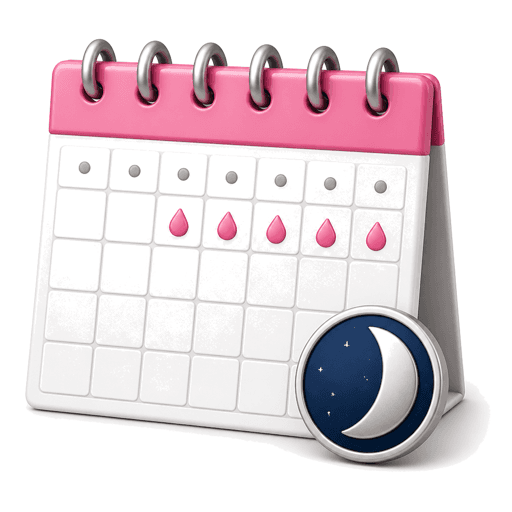
Period & Menstrual Cycle Calculator
Enter last period date, cycle length, and period duration—predict next period dates, track cycle day and phase, and view a multi-month period calendar with PDF export.
Mental Wellbeing & Burnout Risk Calculator
Evaluate your mental wellbeing, stress levels, and burnout risk. Gain personalized insights into resilience, emotional balance, and strategies to manage stress effectively.
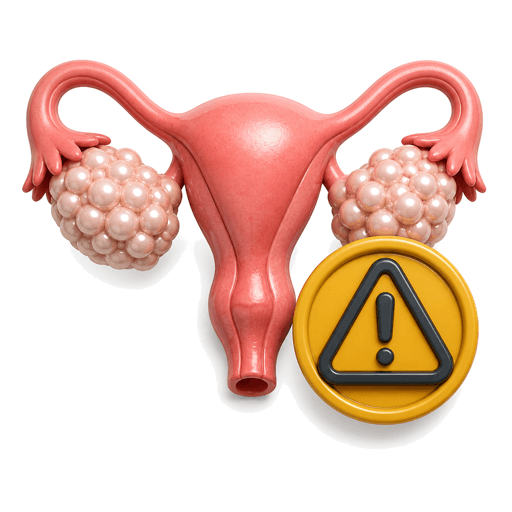
Polycystic Ovary Syndrome Risk Calculator
Screen for polycystic ovary syndrome (PCOS) using cycle irregularity, androgen symptoms, BMI, metabolic signs, and family history. Educational risk score—not a diagnosis.
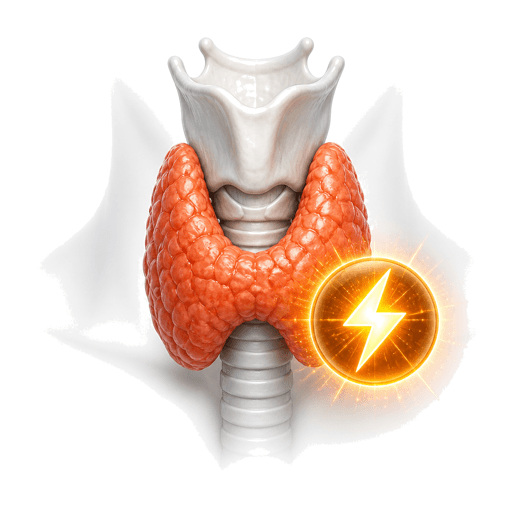
Thyroid Disorder Risk Assessment Calculator
Free thyroid risk calculator & symptoms checker: weighted scoring for hypothyroid vs hyperthyroid risk in India, demographic multipliers, risk level, and TSH test recommendation.
Calculator Categories
Explore more free tools by health topic. Your calculator's category is highlighted below.
Women's Health
10 calculators
Browse categoryNutrition & Metabolism
31 calculators
Browse categoryBody Composition
16 calculators
Browse categoryFitness & Cardio
13 calculators
Browse categorySleep & Circadian Health
6 calculators
Browse categoryAging & Longevity
6 calculators
Browse categoryHeart & Metabolic Health
23 calculators
Browse categoryMental Wellbeing
4 calculators
Browse categoryEnvironment & Lifestyle
6 calculators
Browse category