Body Shape Calculator (Apple, Pear, Hourglass, Rectangle)
Find your body shape from shoulder, bust/chest, waist, and hip measurements. Classify as Hourglass, Pear, Apple, or Rectangle with ratio analysis, visual illustration, health implications, fitness tips, and PDF export.
Enter your details — results appear below after you calculate.
Body measurements
Allowed range: 40–180 cm. Widest point from shoulder tip to shoulder tip
Allowed range: 40–180 cm. Fullest part, tape parallel to the floor
Allowed range: 40–180 cm. Narrowest point, usually just above the navel
Allowed range: 40–180 cm. Widest part around buttocks, feet together
“For me” saves to My Metrics when you’re signed in. “For other” only shows results.
Science-backed methodology. Last reviewed July 2026.
Editorial policy →How this Body Shape Calculator (Apple, Pear, Hourglass, Rectangle) works
Select sex and units (metric cm or imperial inches), then enter four circumferences: shoulder width, bust/chest, waist, and hips. We compute waist-to-hip, bust-to-waist, and shoulder-to-hip ratios and classify your silhouette as Hourglass, Pear, Apple, or Rectangle.
Your report includes ratio values, a visual body-shape illustration, health implications for your pattern, fitness tips tailored to your shape, interpretation, and recommendations. Export a PDF or share results for fitness planning. This tool describes proportional fat and muscle distribution—it is not a medical diagnosis.
For cardiometabolic screening, pair results with our Waist-to-Hip Ratio, Visceral Fat Risk, and BMI calculators.
Body Shape Calculator (Apple, Pear, Hourglass, Rectangle)
Wondering am I apple or pear shaped or whether you have an hourglass body? Our free body shape calculator classifies your silhouette from four measurements—shoulder width, bust/chest, waist, and hips—using waist-to-hip, bust-to-waist, and shoulder-to-hip ratios. Results include your body shape label (Hourglass, Pear, Apple, or Rectangle), ratio values, a visual illustration, health implications, fitness tips, recommendations, and PDF export. Works for men and women in metric or imperial units.
How to Use This Body Shape Calculator
- Select gender (male or female) and units (metric cm or imperial inches).
- Measure your body with a flexible tape—shoulders (widest tip-to-tip), bust/chest (fullest part), waist (narrowest point), hips (widest around buttocks).
- Enter all four values and tap "Find my body shape."
- Review your classification—Hourglass, Pear, Apple, or Rectangle—plus ratio breakdown, health notes, and fitness tips.
- Export or share your PDF report, or cross-link to our Waist-to-Hip Ratio, Visceral Fat Risk, and BMI calculators for deeper health screening.
What Results You Get
- Body shape classification — Hourglass, Pear, Apple, or Rectangle based on proportional ratios
- Four key ratios — waist-to-hip, bust-to-waist, shoulder-to-hip, and bust-to-hip
- Visual illustration — graphic silhouette matching your shape
- Health implications — what your fat-distribution pattern may mean for cardiometabolic awareness
- Fitness tips — training guidance tailored to your silhouette
- Interpretation & recommendations — plain-language summary plus next steps
- PDF export and share — save or send your full report
What Is Body Shape?
Body shape describes how fat and muscle are distributed across your shoulders, bust/chest, waist, and hips. Unlike BMI (which uses only height and weight), body shape analysis compares proportional relationships between circumferences. The four primary silhouettes—hourglass, pear, apple, and rectangle—are widely used in fashion, fitness programming, and health awareness because where you carry weight can influence styling choices and, in some patterns, cardiometabolic risk.
This calculator is an educational tool. It does not diagnose disease or replace clinical assessment. For health screening, pair your results with our Waist-to-Hip Ratio Calculator, Visceral Fat Risk Calculator, and BMI Calculator.
1What You Enter
Required inputs
- Gender: Male or Female
- Units: Metric (cm) or Imperial (inches)
- Shoulder width (widest point, tip to tip)
- Bust (women) or chest (men)—fullest circumference
- Waist—narrowest point, usually above navel
- Hips—widest point around buttocks
Measurement tips
- Use a flexible measuring tape, not a ruler
- Stand relaxed with feet together; breathe normally
- Keep tape parallel to the floor—snug, not compressing skin
- Measure at the same time of day for consistency
- Shoulder measurement often needs a helper
- Re-measure every 4–8 weeks during body recomposition
2Ratios We Calculate
Waist-to-Hip Ratio (WHR)
WHR = Waist ÷ Hips
Indicates central vs lower-body fat distribution. Higher WHR suggests apple-type central adiposity; lower WHR suggests pear-type lower-body dominance. WHO high-risk thresholds: >0.90 (men), >0.85 (women).
Bust-to-Waist Ratio
BWR = Bust (or Chest) ÷ Waist
Higher values indicate a more defined waist relative to the upper body. Hourglass shapes typically show BWR ≥ 1.25 with balanced bust and hip widths.
Shoulder-to-Hip Ratio
SHR = Shoulders ÷ Hips
Values above 1.05 suggest inverted-triangle (V-shaped) proportions; values below 1.0 with wide hips suggest pear patterns.
Bust-to-Hip Ratio
BHR = Bust (or Chest) ÷ Hips
Near 1.0 (within ~7%) with a narrow waist supports hourglass classification. BHR > 1.05 with narrower hips supports inverted triangle; BHR < 0.95 supports pear.
3The Four Body Shapes Explained
⌛ Hourglass
Bust and hips are proportionally balanced (within ~7%), with a waist at least 25% smaller than both. Classic defined-waist silhouette. Often associated with moderate WHR and balanced fat distribution in population studies.
🍐 Pear (Triangle)
Hips are noticeably wider than bust and shoulders. Weight tends to settle in hips, thighs, and buttocks. Lower WHR is common; gluteofemoral fat may carry different metabolic associations than abdominal fat in research.
🍎 Apple
Waist is relatively wide compared to hips and bust—central weight dominance. Elevated WHR may signal higher cardiometabolic risk. Common with aging, stress, and sedentary habits; responsive to lifestyle change.
▬ Rectangle
Shoulders, bust, waist, and hips are relatively similar in width—straight, athletic silhouette with less waist definition. Common in active populations; strength training can add curves over time.
4Health Implications by Shape
Apple shape & central obesity
Apple patterns with high WHR are linked in research to greater visceral (abdominal) fat, insulin resistance, type 2 diabetes, hypertension, and cardiovascular disease. If classified as apple with WHR above WHO thresholds, consider metabolic screening and our Visceral Fat Risk Calculator.
Pear shape & lower-body fat
Pear shapes store more fat in hips and thighs. Some studies suggest lower cardiometabolic risk than apple patterns at similar weights—but overall body fat, fitness, and blood markers still matter. Pear shapes can shift toward apple with age or weight gain.
Hourglass & rectangle
These shapes describe proportion more than disease risk alone. Focus on overall fitness, body fat percentage, waist circumference, blood pressure, and metabolic labs. Rectangles can improve waist definition with core and resistance work; hourglass frames benefit from balanced full-body training.
5Fitness Tips by Body Shape
| Shape | Training focus |
|---|---|
| Hourglass | Full-body strength, Zone 2 cardio, core stability |
| Pear | Lower-body strength + upper-body balance; avoid spot-reduction myths |
| Apple | Cardio (150+ min/week), core work, resistance training, stress & sleep management |
| Rectangle | Progressive overload, hip/shoulder emphasis, core definition |
Sample Body Shape Classifications
⌛ Hourglass example
Bust 92 cm, waist 68 cm, hips 94 cm, shoulders 40 cm. Bust ≈ hips, waist ~27% smaller. WHR 0.72, BWR 1.35 → classic hourglass.
🍐 Pear example
Bust 86 cm, waist 72 cm, hips 102 cm, shoulders 38 cm. Hips ~19% wider than bust. WHR 0.71 → pear/triangle lower-body dominance.
🍎 Apple example
Bust 98 cm, waist 92 cm, hips 96 cm, shoulders 44 cm. Waist close to bust/hips. WHR 0.96 → apple/central pattern; check WHR health risk.
▬ Rectangle example
Bust 88 cm, waist 80 cm, hips 90 cm, shoulders 42 cm. Measurements within ~12% of each other. WHR 0.89 → straight athletic silhouette.
Enter your exact measurements above for a personalized classification—not just these examples.
Body Shape Calculator vs WHR vs BMI
| Tool | Inputs | Best for |
|---|---|---|
| Body Shape Calculator (this page) | Shoulders, bust/chest, waist, hips | Hourglass, pear, apple, rectangle styling & fitness programming |
| Waist-to-Hip Ratio Calculator | Waist, hips | WHO apple vs pear health-risk bands & cardiometabolic screening |
| BMI Calculator | Height, weight | Weight-for-height categories (underweight, normal, overweight, obese) |
Styling & Wardrobe Tips by Shape
Hourglass
Emphasize your waist with belts, wrap dresses, and fitted styles. Avoid boxy cuts that hide your natural curves. Balance top and bottom proportions.
Pear
Draw attention upward with structured shoulders, bright tops, and statement necklines. A-line skirts and darker bottoms balance wider hips visually.
Apple
Choose empire waists, V-necks, and flowing fabrics that skim the midsection. Vertical lines and monochromatic outfits elongate the silhouette.
Rectangle
Create curves with peplum tops, ruffles, and layered looks. Belts at the waist add definition. Structured jackets add shoulder dimension.
Who Should Use This Calculator?
- Anyone asking "what is my body shape?" for fitness or wardrobe planning
- Women comparing hourglass vs pear vs apple proportions
- Men assessing chest-to-waist balance and central fat patterns
- Fitness enthusiasts tailoring training splits to their natural proportions
- People tracking body recomposition who want ratio changes over time
Not intended for clinical diagnosis, eating-disorder assessment, or replacing medical body-composition testing (DEXA, BIA, etc.).
Common Measurement Mistakes
1. Measuring waist at the wrong point
Waist should be at the narrowest point—not necessarily at the navel. Sucking in your stomach or pulling the tape too tight skews ratios and misclassifies shape.
2. Inconsistent shoulder measurement
Shoulder width varies with posture and arm position. Stand straight, arms at sides, and measure the widest bony points with help when possible.
3. Comparing to outdated photos
Body shape changes with weight, muscle, hormones, and age. Use current measurements—not estimates from years ago.
4. Treating shape as fixed destiny
Genetics set a baseline, but training and nutrition shift proportions over months. Re-measure during recomposition to track real change.
Body Shape vs Other Health Metrics
Body shape adds proportion context that BMI alone cannot provide. A person with a healthy BMI can still carry excess central fat (apple pattern), while a pear-shaped person may have elevated total body fat with a normal-looking BMI. Best practice: combine body shape with waist circumference, WHR, WHtR, body fat %, and clinical labs when assessing health—not any single number in isolation.
Related Tools on This Site
Pair this calculator with our Waist-to-Hip Ratio Calculator for WHO health-risk bands, Visceral Fat Risk Calculator for abdominal fat screening, and BMI Calculator for weight-for-height categories. For composition depth, try our Body Fat Calculator and Waist-to-Height Ratio Calculator.
Frequently Asked Questions (FAQs)
Related Calculators
You might also be interested in these related health and wellness calculators:
Body Fat Percentage Calculator
Calculate your body fat to understand your fitness level and monitor changes over time more accurately than just weighing yourself.

Visceral Fat Risk Calculator
Estimate visceral (abdominal) fat risk using waist-to-height ratio, waist circumference, BMI, and lifestyle. Get WHtR bands, health score, and metabolic guidance.

Cardiovascular Risk Calculator
Estimate heart disease and stroke screening risk from blood pressure, cholesterol, smoking, diabetes, family history, and activity. Educational score with risk domains—not formal ASCVD.
Body Mass Index (BMI) Calculator
Calculate your Body Mass Index (BMI) from height and weight in metric or imperial units. Get WHO categories, healthy weight range, BMI Prime, and PDF export.
Child BMI Calculator
Calculate BMI-for-age percentile for children and teens (ages 2–19) using CDC growth charts. Get weight-status category, healthy range, and PDF export.

Ideal Body Weight Calculator
Calculate ideal weight for your height using Devine, Robinson, Miller, and Hamwi formulas. See average, ideal weight range, frame-size adjustment, and current-weight comparison.
Waist-to-Height Ratio (WHtR) Calculator
Calculate waist-to-height ratio (WHtR) from waist and height. Half-height rule, target waist at 0.5, central fat risk bands—often a stronger screen than BMI alone.
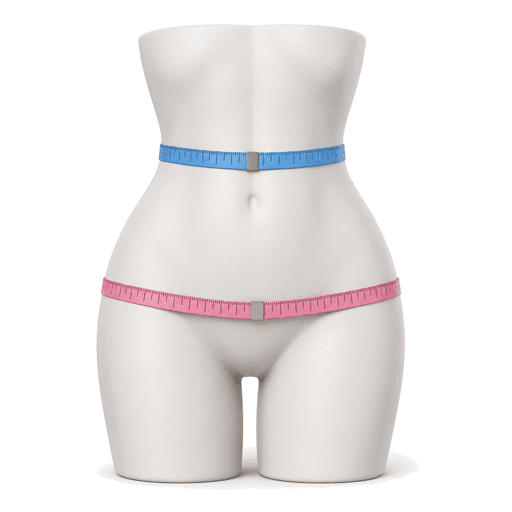
Waist-to-Hip Ratio (WHR) Health Risk Calculator
Calculate waist-to-hip ratio (WHR) from waist and hip measurements. Apple vs pear body shape, WHO health risk levels, and cardiovascular risk interpretation.
Calculator Categories
Explore more free tools by health topic. Your calculator's category is highlighted below.
Body Composition
16 calculators
Browse categoryNutrition & Metabolism
31 calculators
Browse categoryFitness & Cardio
13 calculators
Browse categorySleep & Circadian Health
6 calculators
Browse categoryAging & Longevity
6 calculators
Browse categoryHeart & Metabolic Health
23 calculators
Browse categoryMental Wellbeing
4 calculators
Browse categoryWomen's Health
10 calculators
Browse categoryEnvironment & Lifestyle
6 calculators
Browse category